

The common vacation rental owner mistakes in Daytona Beach come down to five patterns: flat-rate pricing that ignores event demand, slow guest communication, inconsistent cleaning standards, missing local compliance paperwork, and treating a rental like a hobby instead of a business. Fixing even two or three of these typically closes most of the gap between a struggling listing and one that performs the way owners expect it to.
Key Takeaways
- Static, year-round pricing is one of the costliest habits owners keep; industry data reviewed by Boring Host shows properties that shift from flat rates to dynamic pricing typically see a 15% to 40% revenue increase, with 20% to 30% being the most common outcome.
- Daytona Beach short-term rental occupancy swings hard by month, running noticeably higher during Bike Week and spring break in March than during the September lull, so a pricing calendar built for one season fails in the other.
- AirDNA’s 2026 Daytona Beach snapshot puts the market average daily rate near $229.50 with 47% occupancy across 5,619 active listings, giving owners a benchmark to measure their own unit against.
- Volusia County requires rental property owners meeting certain thresholds to register their unit; per the City of Daytona Beach, the registration requirement applies to owners with fewer than 5 units, so even small owners are not automatically exempt.
- Full-service vacation rental management commissions commonly run 20% to 35% of gross booking revenue, according to Host Genius, which owners should weigh against the time cost of self-managing.
- Sunny Florida Rental, a local co-hosting team based at Sunny Florida Rental‘s two Daytona Beach buildings, sees these same mistakes repeat across owner portfolios year after year.
If you own a condo at Daytona Beach Club, Harbor Beach, or anywhere along the Volusia County coastline, you’ve probably already made one or two of the mistakes on this list. That’s normal. Short-term rental hosting looks simple from the outside: list the unit, set a price, wait for bookings. In practice, you’re running a small hospitality business with seasonal swings, compliance requirements, and guests who expect hotel-level responsiveness at Airbnb prices.
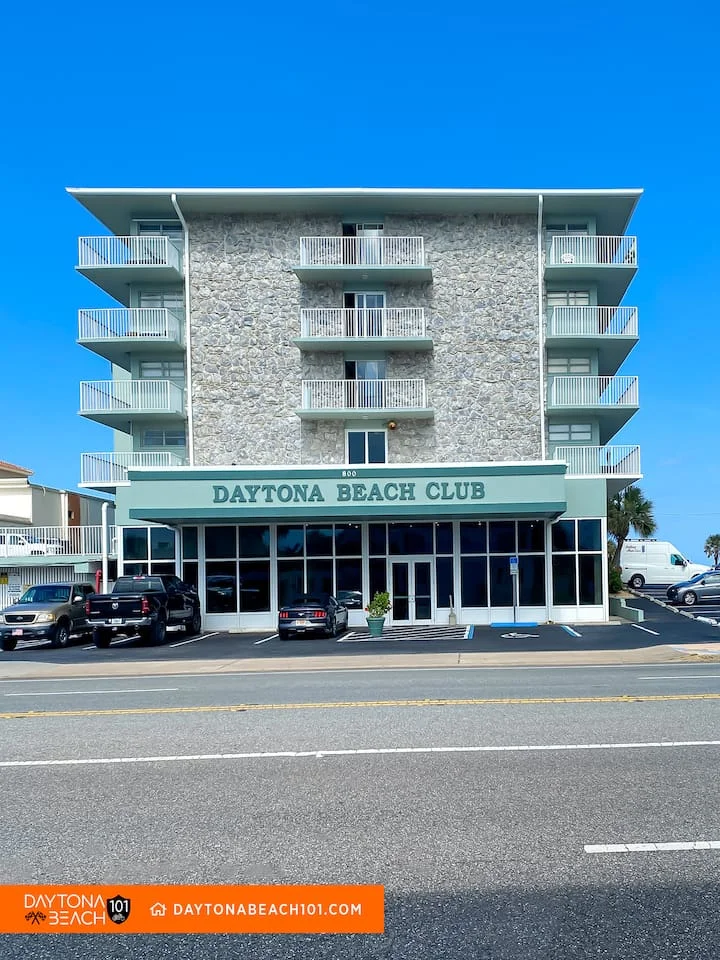
This guide covers the mistakes that actually move the needle on revenue and reviews, not the minor stuff. We manage properties directly on the sand at Daytona Beach Club (800 N Atlantic Ave) and Harbor Beach (701 S Atlantic Ave), and the patterns below show up constantly, whether you live three states away or three miles from the building. As of 2026, the Daytona Beach market has enough data behind it, from AirDNA and the Daytona Beach Area Convention & Visitors Bureau, that owners no longer have an excuse to guess.
Whether you’re troubleshooting a listing that’s underperforming or just getting started, the goal here is the same: fewer surprises and a rental that doesn’t run you.
Table of Contents
- What Are the Most Costly Vacation Rental Owner Mistakes?
- Why Does Flat-Rate Pricing Cost Daytona Beach Owners So Much?
- What Guest Communication Failures Hurt Reviews the Most?
- How Do Cleaning and Maintenance Gaps Tank a Listing?
- What Compliance and Documentation Mistakes Put Owners at Risk?
- Which Technology Mistakes Are Owners Still Making in 2026?
- Why Does Guest Screening Matter More Than Owners Think?
- How Should Owners Plan for Seasonal Demand Swings?
- What Goes Wrong When Owners Scale to Multiple Properties?
- What Financial Tracking Mistakes Cost Owners at Tax Time?
- Self-Managing vs. Hiring a Property Manager: A Data Comparison
- How Should Owners Actually Fix These Mistakes?
- Frequently Asked Questions
What Are the Most Costly Vacation Rental Owner Mistakes?
The most costly vacation rental owner mistakes are pricing errors, poor guest communication, inconsistent cleaning, missing compliance paperwork, and outdated technology. These five categories account for most of the revenue and review damage seen across Daytona Beach listings, according to patterns tracked by property managers across the corridor.
Pricing errors compound over time. A property priced flat at $150 a night year-round misses the March surge around Bike Week and spring break, when occupancy climbs well above the yearly average, and overprices itself during the September lull, when demand drops sharply. Owners lose money on both ends of the calendar.
Guest communication failures come in a close second. A guest who messages at 11pm about a broken air conditioner and doesn’t hear back until morning is a guest who leaves a three-star review, regardless of how nice the condo actually is. Cleaning and compliance gaps round out the list, and both are preventable with the right systems in place.
Why Does Flat-Rate Pricing Cost Daytona Beach Owners So Much?
Flat-rate pricing means charging the same nightly rate regardless of season, event calendar, or day of the week, and it’s one of the single biggest revenue leaks for Daytona Beach owners. Industry data reviewed by Boring Host shows dynamic pricing typically lifts revenue 15% to 40% compared to static rates, with 20% to 30% being the most common outcome.
Here’s why this matters specifically in this market. Daytona International Speedway drives massive demand spikes around Bike Week, Biketoberfest, and race weekends. Rates in this niche commonly rise well into the $200s per night during these windows, compared to a much lower baseline the rest of the year. An owner charging the same $120 flat rate in March that they charge in September is leaving real money on the table during peak weeks.
On the other end, September and November are the softest months for occupancy in this market. Pricing too high during these stretches means empty nights instead of modest bookings. AirDNA’s broader 2026 snapshot puts the Daytona Beach market average daily rate at $229.50 with 47% occupancy across the market, a useful benchmark to check your own calendar against.
The fix isn’t complicated, but it does require attention. Track the Speedway’s event calendar, adjust rates weekly rather than quarterly, and drop prices for gap nights instead of leaving the calendar dark. This is exactly the kind of ongoing adjustment that dynamic pricing tools and revenue management services are built for, and it’s a core part of what a management team like Sunny Florida Rental handles daily for owners along the coastline.
What Guest Communication Failures Hurt Reviews the Most?
Guest communication failure happens when an owner is slow to respond to check-in questions or maintenance issues during a stay, and it’s one of the fastest ways to lose a five-star review. Guests booking oceanfront units expect answers within an hour, not a day, especially when something in the unit isn’t working.
The pattern we see most often is owners who respond fine during business hours but go dark at night or on weekends, exactly when guests are most likely to have an issue. A guest locked out at 10pm, or dealing with an air conditioner that stopped cooling during a July heat wave, doesn’t care that the owner has a day job. They care about getting an answer.
Generic or robotic responses create friction even when they’re fast. A guest asking about early check-in deserves an honest answer, not a copy-pasted policy dump. At Sunny Florida Rental, early check-in is accommodated when possible but never promised in advance, and saying that plainly avoids the disappointment that comes from overpromising.
Fast, professional guest communication around the clock is one of the clearest reasons owners eventually hand this piece off. This is precisely why guest communication and support is a standalone service line for teams like Sunny Florida Rental, rather than something bolted on as an afterthought.
How Do Cleaning and Maintenance Gaps Tank a Listing?
Cleaning and maintenance gaps refer to inconsistent turnover quality between guest stays, including missed inspections, sand left in a shower, or a broken appliance that goes unreported for weeks. These issues show up directly in review scores and are among the fastest ways to lose repeat bookings.
Oceanfront units in buildings like Daytona Beach Club and Harbor Beach take more wear than inland properties. Salt air and humidity accelerate the breakdown of appliances, HVAC systems, and balcony furniture. An owner relying on a single cleaner with no backup plan is one sick day away from a guest walking into a unit that doesn’t match the listing photos.
The smarter approach is a documented inspection checklist run before every single arrival, not just a quick wipe-down. Professional cleaning and inspection before every arrival is one of the most overlooked parts of guest satisfaction, and it’s built into every stay Sunny Florida Rental manages across its portfolio.
Owners who skip this step often don’t find out about a problem until a guest complains mid-stay, which is far more damaging to a review than catching it beforehand.
What Compliance and Documentation Mistakes Put Owners at Risk?
Compliance and documentation mistakes occur when owners skip required local registration, ignore HOA short-term rental rules, or operate without a proper rental agreement and ID verification process. In Daytona Beach and Volusia County, this is one of the areas where first-time hosts get caught off guard.
Per the City of Daytona Beach, rental property owners meeting certain thresholds, including those with fewer than 5 units, are required to register. Many owners assume registration requirements only apply to large operators, which is not the case. Confirm the exact current requirements with Volusia County and the City of Daytona Beach directly, since thresholds and fees can change.
Condo buildings along the beachfront corridor often carry their own HOA rules around minimum stay lengths, guest counts, and parking, separate from city requirements. An owner who never reads the HOA bylaws risks fines that eat straight into the season’s profit.
Documentation matters just as much on the guest side. A signed rental agreement and ID verification process protects owners from disputes over damage or unauthorized guests, and it’s standard practice across every unit Sunny Florida Rental manages, including a security hold structure guests understand before they book.
Which Technology Mistakes Are Owners Still Making in 2026?
Technology mistakes happen when owners rely on manual spreadsheets or a single booking calendar instead of tools built for multi-platform vacation rental management. As of 2026, this gap is easier to close than it used to be, but plenty of owners still haven’t made the switch.
Owners listing across Airbnb, VRBO, and Booking.com without a connected calendar system risk double bookings, a mistake that instantly damages guest trust and can trigger platform penalties. Tools like iCalendar sync systems, or dedicated channel managers, exist precisely to prevent this.
Payment processing matters more than owners think. Manual invoicing through email is slower and less secure than integrated systems built around processors like Stripe, which most modern booking platforms use by default. Owners still tracking availability on a Google Calendar shared with a family member are one missed update away from a booking conflict.
Property management software such as Hostaway or Property Manager Plus exists specifically to centralize pricing, messaging, and calendar sync in one dashboard, reducing the manual errors that come from juggling separate systems by hand.
Why Does Guest Screening Matter More Than Owners Think?
Guest screening is the process of verifying a guest’s identity and intent before confirming a booking, and skipping it is a common mistake among owners eager to fill their calendar. Weak screening leads to unauthorized parties, property damage, and noise complaints from neighboring units.
Oceanfront buildings with shared pools and hallways are more exposed to this risk than standalone homes. A single problem guest can trigger complaints from an entire floor, and HOA boards take these incidents seriously. ID verification, a signed agreement, and clear house rules communicated before check-in reduce this risk substantially.
Screening isn’t about suspecting every guest. Apply a consistent process every time, and comply with Fair Housing Act requirements in how that process is applied. A consistent, documented screening step protects both the owner and the guests who have no intention of causing problems.
Owners self-managing without a screening system in place often only discover the value of one after their first bad experience with an unauthorized gathering or property damage claim.
How Should Owners Plan for Seasonal Demand Swings?
Seasonal demand planning means adjusting pricing, minimum stays, and marketing around known high and low periods rather than treating every month the same. In Daytona Beach, this swing is dramatic enough that ignoring it is a measurable mistake, not a minor inefficiency.
March occupancy runs highest, driven by Bike Week and spring break, with July also holding up well through the summer travel season. September and November are the softest months of the year for this market. An owner who doesn’t adjust minimum-night requirements or rates for these low months ends up with either empty nights or bookings priced too low to matter.
Condos and rental houses in Daytona Beach see a longer average stay length, around 8.1 nights, compared to 4.4 nights for hotels and resorts, according to the Daytona Beach Area Convention & Visitors Bureau’s visitor research. That gap matters for planning: shoulder-season pricing built around shorter hotel-style stays doesn’t fit how condo guests actually book.
Snowbirds and extended stayers fill much of that gap-night demand in the winter months, which is worth factoring into any pricing calendar built around Bike Week and summer alone.
What Goes Wrong When Owners Scale to Multiple Properties?
Scaling mistakes happen when an owner adds a second or third property before systems for the first one are solid, leading to communication delays and pricing that isn’t tailored to each unit’s location and amenities. This is one of the least discussed mistakes because it only shows up after growth, not before.
An owner managing one unit personally can usually keep up with guest messages and turnover scheduling through sheer effort. Add a second unit in a different building, and response times slip. Cleaners double-book themselves. Pricing gets copied from one unit to another even when the amenities, views, and floor differ.
Each building along the Daytona Beach oceanfront corridor has its own HOA rules, parking situation, and guest expectations. A pricing strategy or house-rules document that works at Daytona Beach Club won’t automatically transfer to Harbor Beach. Owners who scale without adjusting for these building-specific details end up with inconsistent guest experiences across their portfolio.
This is the point where most self-managing owners either burn out or bring in a co-hosting partner to handle the operational load across multiple units.
What Financial Tracking Mistakes Cost Owners at Tax Time?
Financial tracking mistakes occur when owners don’t separate rental income and expenses from personal accounts, or fail to track transient occupancy tax collection and remittance correctly. This is one of the quieter mistakes on this list, but it creates real headaches every filing season.
Transient occupancy tax applies to short-term stays in most jurisdictions, and rates in this niche commonly range from 5% to 17% of gross revenue depending on the location. Owners who don’t track this separately from their nightly rate risk under-collecting from guests or under-remitting to the state, both of which create compliance exposure. Confirm current rates and filing requirements directly with the Florida Department of Revenue and Volusia County.
Owners who don’t track cleaning fees, platform commissions, and maintenance costs as separate line items lose visibility into their actual profit margin. A unit that looks profitable on gross booking revenue can look very different once cleaning fees, HOA dues, and platform fees are subtracted.
Keeping clean, separated books from day one makes tax season faster and gives owners an honest read on whether a property is actually performing.
Self-Managing vs. Hiring a Property Manager: A Data Comparison
The choice between self-managing and hiring a property manager comes down to time cost versus revenue potential. Self-management costs nothing in fees but consumes significant personal time and often underperforms on pricing. Professional management typically costs 20% to 35% of gross revenue but usually captures more total revenue through consistent dynamic pricing and faster turnovers.
| Factor | Self-Managing | Full-Service Management |
|---|---|---|
| Typical fee structure | No management fee, but hidden time cost | 20% to 35% of gross booking revenue (Host Genius, 2026) |
| Pricing approach | Often flat or manually adjusted rates | Dynamic pricing tied to event calendar and season |
| Guest response time | Depends on owner’s availability and time zone | Local team handling messages day and night |
| Cleaning consistency | Relies on a single cleaner with no backup | Coordinated team with pre-arrival inspection |
| Compliance oversight | Owner responsible for tracking rule changes | Managed as part of ongoing operations |
| Best fit | Owners with time, local presence, and hospitality experience | Out-of-state owners, burned-out self-managers, growing portfolios |
Neither approach is universally right. An owner who lives nearby, enjoys the day-to-day guest interaction, and has time to track Speedway event dates might do fine self-managing one unit. An out-of-state owner juggling a full-time job and a time-zone difference usually finds the math favors handing the operational load to a local team.
How Should Owners Actually Fix These Mistakes?
Fixing common vacation rental owner mistakes starts with an honest audit of where your current process breaks down, followed by targeted changes to pricing, communication, cleaning, and compliance systems. Most owners don’t need to fix everything at once; they need to fix the two or three items causing the most damage first.
- Pull your last twelve months of booking data and compare your rates against known high and low periods, including Bike Week, spring break, and the September lull.
- Audit your average guest response time. If it regularly exceeds a few hours, especially overnight, this is your highest-priority fix.
- Walk through your cleaning process and confirm there’s a documented inspection checklist, not just a cleaner’s memory, run before every arrival.
- Confirm your registration status with Volusia County and the City of Daytona Beach, and check your specific building’s HOA rules for short-term rental requirements.
- Separate your rental income and expenses into dedicated accounts if you haven’t already, and confirm your transient occupancy tax collection process is accurate.
- Decide honestly whether self-managing still makes sense given your time zone and schedule, or whether a local co-hosting partner would close more of these gaps than you can alone.
For a deeper look at how these numbers play out specifically in Daytona Beach, the Should I Hire a Property Manager in Daytona Beach? guide breaks down the decision in more detail, and the Daytona Beach Vacation Rentals Guide covers the broader market for anyone still deciding where to invest.
Frequently Asked Questions
What are the most costly mistakes vacation rental owners make?
The most costly mistakes are flat-rate pricing that ignores seasonal demand, slow guest communication, inconsistent cleaning between turnovers, and skipping local registration or HOA compliance. Pricing errors alone can cost owners 15% to 40% in lost revenue compared to dynamic pricing, according to data reviewed by Boring Host.
How can owners improve their property’s occupancy rate?
Owners improve occupancy by adjusting rates around known demand periods like Bike Week and spring break, lowering minimum stays during softer months like September, and keeping listing photos and descriptions accurate. AirDNA reported Daytona Beach’s market-wide occupancy at 47% in its 2026 snapshot, giving owners a benchmark to compare against.
What legal or compliance mistakes should owners avoid?
Owners should avoid skipping local registration requirements, ignoring HOA short-term rental rules, and operating without a signed rental agreement or ID verification process. Per the City of Daytona Beach, registration applies to owners with fewer than 5 units, so smaller owners are not automatically exempt. Always confirm current requirements directly with Volusia County and the City of Daytona Beach.
How do successful owners price their properties competitively?
Successful owners use dynamic pricing tied to the local event calendar rather than a fixed nightly rate. In Daytona Beach, that means raising rates around Daytona International Speedway events and Bike Week, and lowering them during the September and November lulls, when occupancy drops well below the yearly average.
What communication strategies improve guest satisfaction and reduce conflicts?
Fast, honest responses matter more than perfectly worded ones. Answer guest questions within an hour, be upfront about policies like early check-in not being guaranteed, and keep a local contact available for after-hours issues. Each of these reduces the complaints that lead to lower review scores.
Can I book directly with Sunny Florida Rental instead of through Airbnb or VRBO?
Yes. Sunny Florida Rental offers direct booking for its oceanfront units at Daytona Beach Club and Harbor Beach, with transparent pricing that skips the added markups common on major booking platforms.
What should I look for when choosing a co-hosting company in Daytona Beach?
Look for a locally based team with a physical presence at the building, not a remote call center. Confirm what’s included in the fee, such as cleaning coordination, guest communication, and pricing management, and ask how they handle compliance and HOA-specific rules for your building.
Conclusion: Fewer Mistakes, Better Margins
The common vacation rental owner mistakes covered here, flat pricing, slow communication, inconsistent cleaning, missed compliance steps, and outdated tools, all share one thing in common: they compound quietly until an owner finally checks the numbers. Daytona Beach’s market data backs this up, from AirDNA’s 47% occupancy benchmark to the sharp seasonal swing between the March peak around Bike Week and the September lull. Owners who address even two or three of these gaps typically see the difference show up in both revenue and reviews within a season or two.
Whether you’re planning your next trip to the Daytona Beach coastline or trying to figure out the smartest way to manage your own rental property, the goal is the same: fewer surprises and a better outcome. Sunny Florida Rental has spent years handling both sides of that equation, from oceanfront stays at Daytona Beach Club and Harbor Beach to full-service management for owners across Daytona Beach and Champions Gate. As 2026 event calendars fill in around Bike Week and Speedway race weekends, now is a practical time to audit your own systems before the next peak season arrives.
If managing your Daytona Beach or Champions Gate rental feels like a second job, Sunny Florida Rental can take the operational load off your plate, handling dynamic pricing, guest communication, and pre-arrival inspections. Reach out through sunnyfloridarental.com to talk through what full-service management could look like for your property.
Content powered by inkSTR.co