

Weighing self-management against professional help for a Daytona Beach rental.
Should I hire a property manager for my Daytona Beach rental? For most short-term rental owners here, the answer is yes once self-managing starts costing more in missed bookings and vacancy than a management fee would. Sunny Florida Rental handles both sides of this equation daily, managing oceanfront guest stays and full-service management for owners along the coast.
Key Takeaways
-
Full-service short-term rental management typically runs 15% to 30% of gross booking revenue, with the 2026 national average landing near 20% to 25%.
-
AirDNA reports Daytona Beach short-term rentals averaged a 47% occupancy rate and $229.50 average daily rate in its 2026 market snapshot, a benchmark you can use to sanity-check your own numbers.
-
Owners living more than 30 to 45 minutes from their property are consistently flagged across the industry as strong candidates for professional management, especially for emergency response.
-
City of Daytona Beach records show a $40 initial application fee and $75 annual registration fee per unit for rental property registration as of 2026, figures every owner should confirm are current before listing.
-
Professional management commonly increases revenue through dynamic pricing and occupancy optimization that flat-rate, self-managed listings tend to miss, particularly around demand spikes like Bike Week and Speedway race weekends.
-
Watch for vague fee structures, no trust account for security deposits, or no clear termination clause in the management agreement before you sign anything.
If you’re staring at a rental spreadsheet at midnight wondering whether you should just hand the keys to someone local, you’re not alone. Daytona Beach’s oceanfront corridor, from the buildings along North and South Atlantic Avenue down to the pier, is full of owners asking this exact question in 2026, especially those who bought during the recent wave of coastal condo investment.
This guide breaks down the real financial math, the warning signs of a bad management company, and the triggers that tell you it’s time to stop DIY-ing your rental. We manage properties directly on the sand at buildings like Daytona Beach Club and Harbour Beach, so the numbers and patterns below come from what we see owners deal with here, not generic national advice that ignores how Bike Week, Biketoberfest, and Speedway weekends scramble a normal pricing calendar.
Is It Worth It to Have a Property Manager?
Hiring a property manager is worth it when the value of your reclaimed time and improved pricing exceeds the management fee you’d pay, which typically runs 15% to 30% of gross revenue for full-service short-term rental management. For an out-of-state owner or anyone juggling a full-time job, that math usually favors hiring.
Consider a Daytona Beach condo generating $3,648 in average monthly revenue. At a 20% management fee, that’s roughly $730 a month. Compare that against 10 hours a month of your own time spent on guest messages and pricing adjustments, valued conservatively at $40 an hour, which is $400 a month in unpaid labor alone.
Add the revenue side. Professional management typically increases revenue through pricing optimization that flat-rate self-managers skip entirely. If a manager captures even a modest occupancy lift during high-demand stretches like March, when occupancy climbs to roughly 72% around Bike Week and spring break, that additional revenue often offsets a large share of the management fee.
Where hiring is less clear-cut: if you live within 15 minutes of your property and only manage one unit, self-management can still work in 2026. The decision changes fast once you add a second property or move out of the immediate area.
What Is the 7% Rule for Rental Property?
The 7% rule is a rough guideline some investors use to estimate whether a rental property’s annual gross income should equal at least 7% of its purchase price to justify the investment before factoring in expenses. It’s a screening tool, and it applies more directly to long-term rental underwriting than short-term coastal condos.
For a Daytona Beach oceanfront unit purchased at a typical condo price point, applying this rule means checking whether your projected annual rental income clears that 7% threshold before management fees, HOA dues, insurance, and taxes come out. Given that other services in the area reported an average Daytona Beach rent of $1,650 a month for long-term leases in September 2026, a long-term-only strategy on a beachfront unit often falls short of this benchmark, which is part of why so many oceanfront owners here run short-term rentals instead.
Short-term rental revenue changes this math substantially. AirDNA’s 2026 snapshot put average annual revenue per Daytona Beach listing at roughly $19,500. Run both the long-term and short-term numbers against your specific purchase price before assuming either strategy clears the 7% threshold. A property manager who understands both models, including how a Champions Gate or Davenport property compares to a beachfront unit, should be able to walk you through this calculation using your actual numbers instead of national averages.
What Are Red Flags When Hiring Property Managers?
Red flags when hiring a property manager include vague or bundled fee structures, no dedicated trust account for security deposits, and a management contract with no clear termination clause. Any of these alone should slow you down; more than one together is a reason to keep looking.
First, ask directly how many properties the company currently manages and how many staff handle them. A management company juggling far more units than its staff can reasonably service will be slow on maintenance calls and guest response, which shows up fast in your review scores. Second, ask where security deposits and collected rents sit. Reputable managers keep these in a dedicated trust account, separate from operating funds, and should explain this without hesitation.
Third, get the fee structure in writing before you sign anything. A property management agreement should clearly spell out the monthly management percentage, any leasing or onboarding fee, and what happens if you want to cancel. Maintenance markups and hidden admin charges are the most common source of owner surprise at tax time.
Fourth, ask about response time. A fair standard is a callback within 30 minutes on urgent issues, especially for oceanfront units where a guest maintenance issue during a Bike Week weekend can turn into a same-day refund request if it’s ignored.
Finally, watch for anyone unwilling to discuss licensing. Most U.S. states require a real estate broker license or equivalent to manage property for compensation, and you should confirm this requirement with Florida’s current licensing rules before signing with any company operating here.
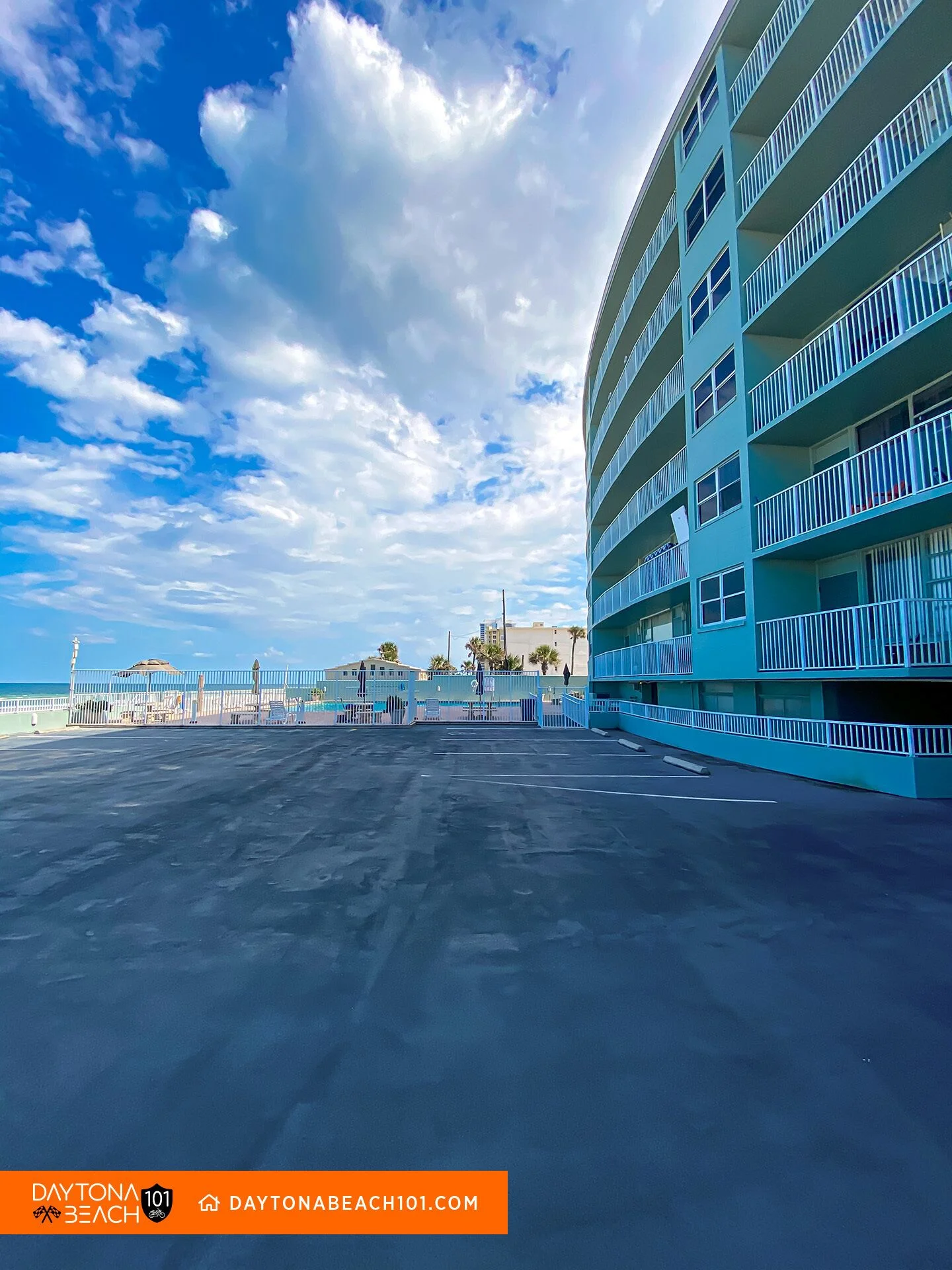
Property grounds · Perfect Retreat Steps Away From The Ocean
What Does the 80/20 Rule Mean in Property Management?
The 80/20 rule in property management is a general principle suggesting roughly 80% of your operational headaches come from about 20% of your guests, maintenance issues, or booking sources. It’s a way of thinking about where your time actually goes, not a strict statistical law.
In practice, this often plays out as a small share of guest stays generating the bulk of your support tickets, whether that’s a late-night AC complaint or a lockbox code that didn’t work. Similarly, a small share of maintenance issues, especially water heaters and HVAC units in older beachfront buildings, tend to eat most of a self-managing owner’s repair budget and time.
Professional managers build systems around this pattern: standardized check-in instructions to cut down on lockbox confusion, a vetted contractor list for recurring maintenance issues, and templated guest communication for predictable questions like parking during events or pool hours. If you’re self-managing and noticing that the same three or four problems keep eating your weekends, that’s the 80/20 pattern showing up in your own portfolio.
How Much Do Property Managers Charge in Daytona Beach?
Full-service short-term rental management fees in the Daytona Beach market typically run 15% to 30% of gross booking revenue, with the 2026 national average clustering around 20% to 25%. Co-hosting arrangements, where you keep more control, generally run lower, often in the 10% to 18% range.
|
Service Type |
Typical Fee Range |
What’s Usually Included |
|---|---|---|
|
Full-service STR management |
15% to 30% of gross revenue |
Guest communication, cleaning coordination, dynamic pricing, maintenance oversight, compliance |
|
Co-hosting / co-management |
10% to 18% of gross revenue |
Guest support and turnovers while owner retains listing control |
|
Long-term residential management |
8% to 12% of monthly rent |
Tenant screening, rent collection, lease enforcement, maintenance coordination |
|
Leasing/placement fee (long-term) |
50% to 100% of one month’s rent |
Marketing, showings, and tenant placement at turnover |
Beyond the percentage fee, factor in what self-management actually costs you in unpaid time and mistakes. A common cost breakdown estimates self-management at roughly 10 hours a month, which at $40 an hour adds up to $4,800 a year in owner time alone, plus $150 to $300 annually for listing and marketing tools, plus $500 to $2,000 or more if a single costly mistake slips through. Weigh those numbers honestly against a management fee before deciding self-managing is cheaper.
Registration costs matter too. The City of Daytona Beach lists an initial registration fee of $50 per unit plus a $75 annual renewal fee for rental properties, and owners with fewer than 5 units generally still fall under registration requirements as of 2026. Confirm current figures directly with the city, since fees and thresholds change periodically.
When Is the Breakeven Point for Hiring a Manager?
The breakeven point for hiring a property manager arrives when the combined cost of your unpaid time, missed pricing revenue, and mistake-related losses equals or exceeds the management fee. For most Daytona Beach short-term rental owners managing one to two units, this threshold shows up faster than expected because oceanfront pricing swings so dramatically around events.
Run a simple comparison. If your unit generates the market-average $3,648 monthly revenue, a 20% management fee costs about $730 monthly. Against that, tally your own time (10 hours at $40/hour is $400), plus any occupancy or pricing gains a professional manager captures through dynamic pricing that you’d otherwise miss, especially around March’s roughly 72% occupancy peak versus September’s roughly 42% low. For many owners, the pricing optimization alone closes most of the gap.
The breakeven calculation shifts further in favor of hiring once you own more than one property, live more than 30 to 45 minutes away, or have irregular access to handle same-day maintenance calls. An out-of-state owner with a condo at Harbour Beach, for example, cannot personally coordinate a same-day plumber visit the way a local team can, which turns a minor issue into a multi-day vacancy and a bad review.
How Do I Calculate ROI for Property Management Fees?
Calculating ROI on property management fees means comparing your net income with a manager against your realistic net income self-managing, factoring in both revenue differences and time cost. The formula is straightforward: (Revenue with management, minus management fees, minus your reduced time cost) versus (Revenue self-managing, minus your full time cost, minus mistake risk).
Start with your gross revenue potential. AirDNA’s 2026 data shows Daytona Beach vacation rentals averaging $229.50 per night at 47% occupancy, translating to roughly $19,500 in annual revenue per listing. If professional dynamic pricing and improved occupancy push that revenue up even modestly during peak periods, while a 20% to 25% fee comes out, compare the net figure against what you currently net self-managing after subtracting your own labor value.
Don’t forget indirect costs in your self-management column: cleaning coordination time, the risk of a missed guest message costing you a booking, and potential fines from missing a compliance deadline. Volusia County and Daytona Beach’s registration requirements carry real penalty risk if missed, and a professional manager typically builds compliance tracking into their process by default.
What Exact Tasks Do Property Managers Handle?
Property managers handle guest communication, professional cleaning and turnover coordination, dynamic pricing, maintenance dispatch, and compliance with local rental registration rules. For short-term rentals specifically, this list expands to include listing optimization across platforms and rapid response to time-sensitive guest issues.
Specifically, a full-service manager typically covers: guest messaging and booking inquiries around the clock, coordinating professional cleaning and inspection before every arrival, adjusting nightly rates in response to demand shifts like Bike Week or Speedway race weekends, dispatching local contractors for maintenance issues, tracking city registration renewals and tax remittance deadlines, and handling refund or damage disputes when they arise.
Fast, professional guest communication is a cornerstone of what Sunny Florida Rental provides for owners across Daytona Beach and Champions Gate, day or night. A 2am guest lockout doesn’t wait for business hours, and neither should the response. Professional cleaning and inspection before every arrival is another piece owners consistently underestimate. A late or inconsistent turnover is one of the fastest ways to lose a five-star review, and it’s a built-in part of the process for every stay we manage.
What Should I Look for When Selecting a Property Manager?
Selecting a property manager means evaluating fee transparency, communication speed, and how the company handles security deposits and trust accounting. Ask specifically about monthly financial statements, urgent-issue contact procedures, and whether staff hold professional credentials.
Ask these questions before signing with anyone:
-
What percentage fee do you charge, and what exactly is included versus billed separately?
-
How do you handle security deposits, in a trust account or a pending transaction hold?
-
What’s your average response time for urgent guest issues?
-
How do you price for high-demand periods like Bike Week, Biketoberfest, and Speedway race weekends?
-
Can I see a sample monthly financial report before I commit?
-
What’s the termination process if I want to end the agreement?
-
Are you physically local, or is guest support routed through a remote call center?
That last question matters more than owners expect. A Florida-based local team physically present at the property can inspect damage same-day and meet a contractor in person, versus a national franchise routing every call through a distant support queue with no eyes on your actual unit.
How Do Property Managers Affect Tenant and Guest Quality?
Professional property management improves guest and tenant quality primarily through consistent screening and pricing that attracts the right booking mix rather than bargain-hunters who tend to generate more complaints. For short-term rentals, this shows up directly in review scores and repeat bookings.
A property priced too low year-round using flat rates tends to attract higher-turnover, less-invested guests. Dynamic pricing that raises rates during high-demand weeks, and lowers them during Daytona Beach’s softer months like September’s roughly 42% occupancy period, tends to smooth out both revenue and guest mix at once. Guests booking a premium oceanfront stay generally treat the property with more care than those chasing the lowest nightly rate on the boardwalk.
Consistent, professional cleaning between every stay is the other lever. Guests notice inconsistency immediately, and it shows up in reviews within days. A coordinated cleaning team with a documented inspection process, rather than a single independent cleaner who can cancel last minute, keeps that consistency intact even during back-to-back turnovers around major events.
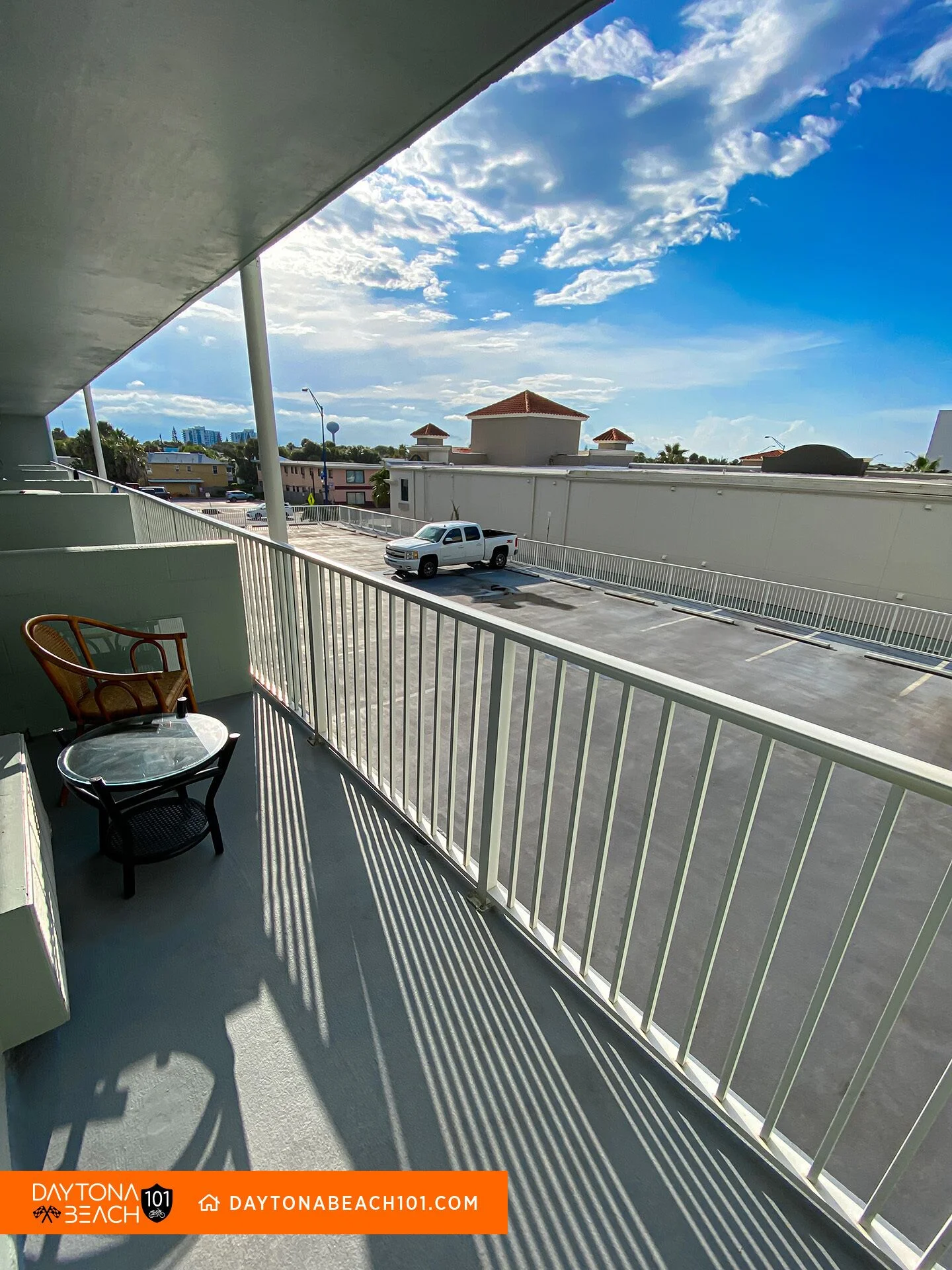
Terrace/patio · Perfect Retreat Steps Away From The Ocean
How Does Property Type Affect the Hiring Decision?
Property type changes the property management decision because a beachfront condo carries different compliance requirements, maintenance profile, and pricing volatility than a single-family home. Oceanfront condos in buildings like the corridor near the Daytona Beach Boardwalk Pier face HOA rules and event-driven demand swings that a suburban single-family rental never sees.
Short-term rentals near the coast deal with far more pricing volatility than long-term residential units. Daytona Beach occupancy swings from around 72% in March to roughly 42% in September, a gap that flat-rate self-managers routinely leave money on the table for. A single-family long-term rental doesn’t face anything close to that swing, so the case for professional dynamic pricing is much stronger for oceanfront and event-adjacent units than for a standard suburban lease.
Condos in HOA buildings also add a layer most owners underestimate: building-specific rules on noise, guest counts, and renovation notices that a local manager already knows and a distant national franchise typically doesn’t track closely. Owners at buildings like Daytona Beach Club or Harbour Beach benefit from a manager who already has a working relationship with building staff and understands the specific rental rules tied to that address.
How Do Geographic Distance and Portfolio Size Factor In?
Geographic distance and portfolio size are two of the strongest predictors of whether self-managing still makes sense in 2026. Owners living more than 30 to 45 minutes away, and those holding more than one or two units, consistently report self-management becoming a second, unpaid job.
If you live out of state and own a condo at Harbour Beach or Daytona Beach Club, you can’t personally handle a same-day maintenance call, meet a contractor, or check on storm damage after a coastal weather event. Local presence matters here, not just for emergencies but for routine tasks like verifying a cleaner actually completed a full turnover before the next guest arrives.
Portfolio size compounds the problem. One unit is manageable for many hands-on owners. Two or more, especially spread across different buildings or markets like Daytona Beach and Champions Gate, typically pushes self-management past a sustainable time commitment, particularly once each property has its own pricing calendar and compliance renewal schedule to track separately.
How We Handle Full-Service Management at Sunny Florida Rental
Full-service property management at Sunny Florida Rental means we take over guest communication, professional cleaning and inspection before every arrival, dynamic pricing, and day-to-day maintenance coordination for owners across Daytona Beach and Champions Gate. Our team operates directly out of the market we manage, not from a remote call center.
We manage five properties across two beachfront buildings, Daytona Beach Club and Harbour Beach, both directly on the sand with pool access just steps away. When we quote a management approach to an owner, it’s based on what happens in these specific buildings, not generalized national assumptions. We’ve watched dynamic pricing make a measurable difference around Bike Week, Biketoberfest, and Speedway race weekends, when nightly rates can climb well into the $200s if priced correctly, and we’ve seen flat-rate self-managers leave that upside on the table repeatedly.
Our approach centers on transparency: no hidden resort fees, no middlemen between guest and owner, and a fee structure we explain plainly before you sign anything. If you’re weighing whether to keep self-managing or bring in a local team, we’re happy to walk through your specific numbers instead of a generic pitch. For a broader look at planning around this market, our property management page covers the full scope of what’s included.
What Are Common Mistakes Owners Make Before Hiring?
The most common mistake owners make is hiring based on the lowest quoted fee percentage without checking what’s excluded from that fee. A management contract advertising a low headline rate often bills separately for maintenance markups, guest communication overages, or listing optimization, ending up costlier than a transparent higher-percentage competitor.
Second most common mistake: skipping the trust account question entirely. If a company can’t clearly explain where your security deposits and collected rent sit, that’s a real red flag, not a minor oversight. Third, many owners sign a contract with no clear cancellation terms, then find themselves locked into a poor working relationship for a full year with no exit path.
Fourth, owners frequently underestimate compliance requirements specific to Florida short-term rentals, including registration renewals and tourist tax remittance. Volusia County and city-level rules apply on top of state requirements, and missing a renewal deadline can trigger penalties that erase any savings from self-managing in the first place. Confirm current requirements directly with the relevant local office rather than relying on outdated blog posts, since fees and thresholds shift periodically.
Finally, some owners try a hybrid solution too late, sticking with full self-management long after it stopped making sense, instead of testing a lighter co-hosting arrangement first. If you want to keep your existing listing but stop fielding every guest text personally, co-hosting bridges that gap without handing over full control.
Frequently Asked Questions
Should I hire a property manager for my first rental property?
If your first rental property is a Daytona Beach short-term rental and you live more than 30 minutes away or have no experience with guest communication and dynamic pricing, hiring a manager from the start typically prevents costly early mistakes. First-time owners often underestimate compliance requirements and pricing complexity, both of which a local manager already knows.
Should I hire a property manager to rent my house?
Whether you should hire a manager to rent your house depends on your available time, distance from the property, and comfort handling tenant or guest issues directly. For long-term rentals, fees typically run 8% to 12% of monthly rent; for short-term coastal rentals, expect 15% to 30% of gross revenue given the higher operational demands.
Is hiring a property manager worth it for a single condo?
Hiring a property manager for a single condo is worth it if the fee is offset by improved pricing, reduced vacancy, and the value of your reclaimed time. Many single-unit owners in Daytona Beach find that dynamic pricing gains during peak events like Bike Week alone cover a significant share of the management fee.
What questions should I ask before signing a management contract?
Ask about the exact fee percentage and what it includes, how security deposits are held, and the average response time on urgent issues. Also confirm whether the company is physically local or routes guest communication through a remote call center, since local presence matters for maintenance and inspections.
How much does it cost to hire a property manager in Daytona Beach?
Full-service short-term rental management in Daytona Beach typically costs 15% to 30% of gross booking revenue, with most owners paying somewhere in the 20% to 25% range as of 2026. Co-hosting arrangements that keep the owner more involved generally run lower, often 10% to 18%.
What’s the difference between co-hosting and full-service management?
Co-hosting means the owner keeps their existing listing and more day-to-day control while a local team handles guest support and turnovers, typically at a lower fee. Full-service management hands over pricing, guest communication, cleaning coordination, and compliance tracking entirely, at a higher percentage fee.
Do I need a license to run a short-term rental in Daytona Beach?
Daytona Beach requires rental property registration, with the city listing a $50 initial registration fee per unit and a $75 annual renewal fee as of 2026. Requirements and fees change periodically, so confirm current rules directly with the relevant city office before listing your property.
Conclusion
Should you hire a property manager? Run the actual numbers for your property rather than relying on a general rule of thumb. For most Daytona Beach short-term rental owners living out of state or holding more than one unit, professional management pays for itself through recovered time and improved revenue during high-demand stretches like Bike Week and Speedway weekends.
Whether you’re planning your next stay along the coast or figuring out the smartest way to manage your own rental property, the goal stays the same: fewer surprises and a better outcome. As 2026 continues, dynamic pricing and local compliance knowledge matter more given how sharply Daytona Beach’s occupancy swings between peak and off-peak months.
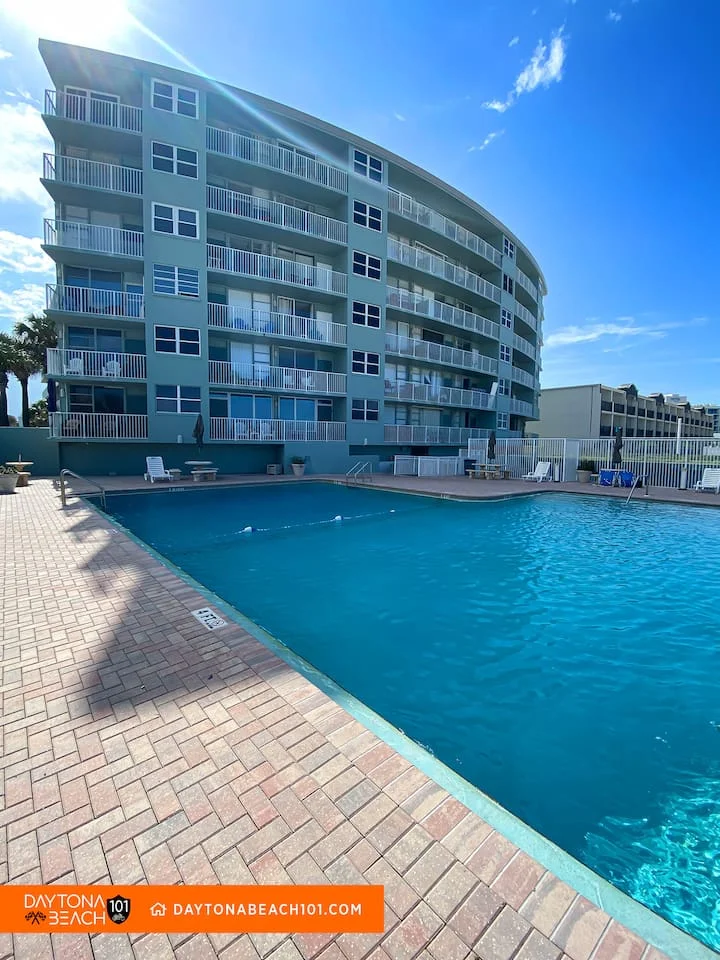
Refreshing pool! · Bright Sunny Happy 522
If managing your Daytona Beach or Champions Gate rental feels like a second job, Sunny Florida Rental can take it off your plate with transparent, no-hidden-fee full-service management built around this specific market. Reach out to talk through what professional management could look like for your property, or browse our current oceanfront stays, including WHAT A VIEW! Full Ocean View, Kitchen, King bed, to see the standard we hold every managed property to.
Written by Heather Paternes, STR Owner & Operator since 2020 & Hospitality since 1997 (Disney) at Sunny Florida Rental
Content powered by inkSTR.co