
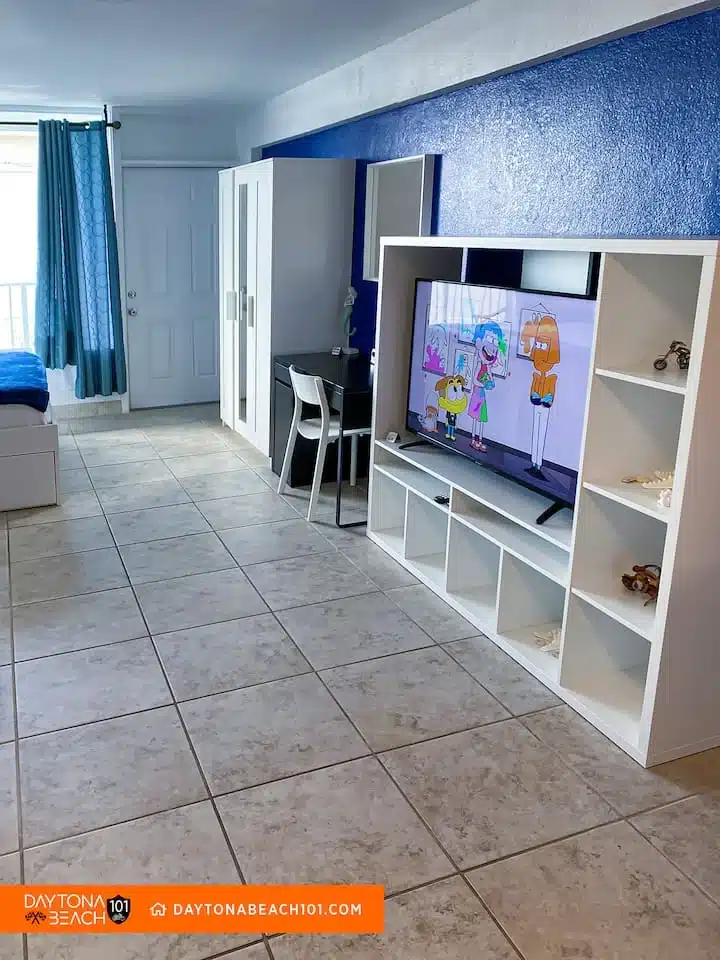
Is it worth paying someone to optimize my pricing or should I just set a flat rate and leave it? For most Daytona Beach short-term rentals, paying for pricing help wins, because demand swings between a quiet Tuesday and Bike Week. At Sunny Florida Rentals, we price from demand data, and we’d only tell you to go flat in a few specific cases.
Key Takeaways
- A flat rate suits steady demand, monthly stays, and owners who want almost no calendar work. Most Daytona Beach nightly calendars do not fit that description.
- Visit Daytona Beach’s 2026 report put the vacation rental average daily rate at $239.46 (up 14.7% year over year) with occupancy at 26.9% (down 3.1%).
- Pricing help pays for itself only when the extra revenue it brings in is larger than its fee. The break-even formula is below.
- Across the Daytona Beach-area homes we manage, nightly rates averaged $95 and occupancy ran about 56% from Nov 2026 to Nov 2026.
- Review base rates monthly and event rates a season ahead. Bike Week 2027 runs Mar 5 to 14.
- Whoever you hire, keep a floor price you control and get the fee in writing.
I’ve run short-term rentals since 2020, and every owner I talk to eventually asks the same thing: am I leaving money on the table? It’s a fair question, and you can answer it with your own booking history instead of a hunch.
This guide covers nightly rates for vacation rentals in Daytona Beach and in the Davenport and Champions Gate area, where we manage properties for owners. “Optimize” here means adjusting your rate by season, weekday, event, and stay length using demand data.
In 2026 the decision is less about finding a pricing genius and more about a plain cost-versus-lift question. You can run that math in an afternoon.
What Is Flat Pricing, and Why Do So Many Owners Start There?
Flat pricing is one nightly rate that stays the same all year, no matter the season or the weekday. It also ignores whatever is happening at the Speedway. Most owners start there for a good reason: you set it once, the calendar needs no attention, and guests see the same number every time they look.
The usual way to land on that number is cost-plus pricing. You add up your cleaning, utilities, supplies, and association dues, add the profit you want, and divide by the nights you expect to book. That math gives you a solid floor. It says nothing about what a guest will pay on a Saturday in August.
Our own numbers show why that gap matters. Demand at the Daytona Beach-area homes we manage peaks in August, so a rate built from average costs would underprice that month by design. Flat pricing treats every night as an average night, and almost no night is. When you split the year into slow weeks and strong weeks, the single number fits neither one, so you either leave money behind in peak periods or scare off guests in quiet ones.
Is a Flat Rate Worth It for a Daytona Beach Rental?
A flat rate is worth it when your demand barely moves and your time matters more than the extra revenue you would chase. Daytona Beach demand moves a lot, so for nightly stays I’d say a flat rate usually costs you money.
Start with the 2026 Visit Daytona Beach visitor report. Vacation rentals earned a higher average nightly rate than the year before even as occupancy softened. In a market like that, a stale rate hurts, because guests will pay more on the nights they want most and you never ask.
Then look at the week itself. The Daytona Beach News-Journal, summarizing short-term rental data for the 12 months ending August 2026, reported weekend occupancy about 34% above weekday occupancy. Saturday was strongest and Tuesday weakest. A flat rate charges Tuesday and Saturday the same price.
When flat is the smart call
I’d still go flat in two situations. First, if you rent mostly to snowbirds on monthly stays, one monthly rate is perfectly sensible; our piece on why the off-season might be your best bet explains who books then. Second, if the unit is blocked for your own use most of the year, the few rentable nights rarely justify a fee.

What Does Pricing Optimization Involve, and What Does a Pricing Consultant Do?
Pricing optimization is the practice of changing your rate as demand changes, so each night sells at the highest price a guest will still pay. A pricing consultant or revenue manager does this by reading demand signals and adjusting your calendar to match, and so can a co-host.
Those signals include season, day of week, booking pace, comparable listings, stay length, and local events. Daytona Beach has plenty of the last one. The 2027 calendar is already set: Speedweeks runs Feb 13 to 21 with the Daytona 500 on Feb 21, Bike Week runs Mar 5 to 14, and the Coke Zero Sugar 400 is Aug 28. The schedule at Daytona International Speedway is published long before the weekends arrive, so you can build event rates a season ahead.
At Sunny Florida Rentals, we price from demand data, not hunches. We adjust by season and event, and by stay length. Software handles the daily number crunching, and our local team knows which weekends fill. Near Disney the pattern flips: Davenport and Champions Gate owners usually fight gap nights between family bookings, and minimum-stay rules plus gap-night discounts fill them. Our things to do guides show what pulls guests into the Daytona side of the map each season.
How Do You Calculate Whether Paying for Pricing Help Will Pay Off?
Break-even lift is the percentage increase in yearly revenue that pricing help must deliver before it covers its own cost. The formula is simple: annual cost of help divided by your current annual revenue.
Apply it to our own portfolio. Our Daytona Beach-area homes averaged $95 a night at about 56% occupancy from Nov 2026 to Nov 2026. That works out to roughly $19,400 in nightly revenue per home over a year (365 nights x 56% x $95). If a provider charged $1,940 a year for that home, the bar would be a 10% lift just to break even. A fee of $970 halves the bar to 5%, while a fee of $3,900 pushes it to 20%.
The next question is whether that lift is realistic, and I won’t hand you a number. Anyone who promises a specific lift before looking at your calendar is guessing. Pull your own history instead (you can see the studios on our properties page), because your numbers matter more than ours.
Check how the fee is built
A fee based on a share of revenue means the provider earns more only when you do. A flat monthly fee means you carry the risk if prices don’t improve. Neither is wrong, but you should know which one you’re signing.
Which Pricing Strategy Is the Best?
The best pricing strategy is the one that matches how much your demand moves and how much attention you can give your calendar. No single model wins everywhere, so the table below sorts the common ones by fit.
| Strategy | Best for | Main risk | Effort |
|---|---|---|---|
| Flat rate | Monthly stays and rarely rented units | Underprices events and August; overprices slow weekdays | Almost none |
| Seasonal schedule | Owners who want a few price tiers set by hand | Misses weekday swings and short-notice demand | Low to moderate |
| Dynamic pricing with a floor | Nightly rentals with event and seasonal swings | Rates can sink too far without a floor and a human check | Low if someone else runs it |
| Minimum-stay and gap-night rules | Calendars with orphan nights between bookings | Rules set too tight block good bookings | Moderate |
My pick for nightly rentals in Daytona Beach is dynamic pricing with a floor price, plus a person who checks the calendar before event weekends. For the wider market picture, see our Daytona Beach vacation rentals guide.

What Does Pricing Help Cost, and How Do You Choose Someone in Florida?
Pricing help comes in two main forms: pricing software you run yourself, or a person such as a freelance pricing consultant. A co-host or manager who includes revenue management in the service is the third route. Costs vary widely by form and provider, so ask for the fee in writing and for a list of what it covers.
I can’t point you to a “best pricing consultant in Florida” list, because the right fit depends on your calendar. Here is what I’d check:
- Local event knowledge, such as Bike Week and Speedweeks demand, or Disney-driven gap nights if you own near Davenport
- Whether you can set a floor price and approve exceptions
- How often they adjust rates, and how they report results to you
- Whether the fee is a share of revenue or a flat charge
- Whether pricing is the only job, or cleaning and guest messages come with it
Software alone can’t call you on the Tuesday before a race weekend. Co-hosting at Sunny Florida Rentals means you keep ownership of the listing and the big decisions while we take the daily work off your plate. If you want everything handled, read about our property management options.
How Often Should You Review Your Prices, and How Do You Raise Them?
A pricing review is a scheduled check of your rates against recent bookings and upcoming demand. I’d review base rates monthly and check event and holiday weekends a season ahead. A full audit once a year would round it out.
Some triggers should pull you in sooner. A month where bookings fill too fast counts, and so does a stretch of empty weeks. A new competing listing or a jump in cleaning costs also qualifies, as does a run of strong reviews. Our season-by-season guide shows how the Daytona Beach calendar shifts, which helps you tell a normal quiet week from a problem one.
Raising rates without losing repeat guests
Raise rates on future dates first. Confirmed reservations keep the price they were booked at. For returning guests, tell them early and give a plain reason, such as higher cleaning costs. Small steady moves land better than one big jump. More owner guides live on our blog.
How Can You Audit Your Own Pricing in One Weekend?
A pricing audit is a one-to-two-hour review of your past bookings that shows whether your rates follow demand. You need nothing more than your reservation history and a spreadsheet.
- Export the last 12 months of bookings with check-in date, nightly rate, length of stay, and how far ahead each guest booked.
- Mark event weekends (Speedweeks, Bike Week, race weekends) and holidays.
- Compare your average rate on event weekends with an ordinary weekend. If the two are close, you are probably underpriced on events.
- Flag nights that booked many weeks early; early sellouts often mean the price was too low.
- List the empty gap nights between stays and check whether your minimum-stay rule created them.
- Run the break-even formula with a real quote, then choose: do it yourself, use software, or hire help.
If you reach step six and can’t picture repeating this every month, that is your answer.
Frequently Asked Questions
What does a pricing consultant do for a small business?
A pricing consultant studies your costs, competitors, and demand patterns, then recommends rates, packages, and rules. For a rental, that means base rates and seasonal and event adjustments, plus minimum stays and a review schedule. Some stop at advice, and others run the calendar for you.
What are the signs my pricing is too low?
Event weekends that sell out months ahead are the clearest sign. A listing that books within hours of opening is another, as is the same rate across very different weeks. Compare your event-weekend rate with an ordinary weekend, and if they are close, test a higher number.
How do I raise prices on repeat guests without losing them?
Raise rates on future dates first, since confirmed reservations keep their price. Tell returning guests early and give a simple reason, such as higher cleaning or supply costs. Small, steady increases land better than one large jump.
Is a flat rate ever the right choice?
Yes. A flat rate fits monthly stays, units you rarely rent, and owners who value a hands-off calendar over maximum revenue. It works poorly for nightly rentals in a market with event spikes and weekend demand.
Who can help price a Daytona Beach short-term rental?
Sunny Florida Rentals handles revenue management and dynamic pricing for owners in Daytona Beach and Davenport/Champions Gate, with a Florida-based local team behind it. We adjust by season and event. Stay length matters to us too. Whoever you compare us with, ask what is included and who controls the floor price.
Can I keep control of my minimum rate?
You should. A good arrangement lets you set a floor price and approve exceptions. Confirm that in writing before you sign anything.
So, Should You Pay for Pricing Help or Set a Flat Rate and Walk Away?
Is it worth paying someone to optimize my pricing or should I just set a flat rate and leave it? For nightly rentals in Daytona Beach, I’d pay for help once your break-even math shows a realistic lift, and I’d keep the floor price in your own hands. A flat rate suits monthly stays and low-effort setups.
Run the weekend audit, compare the fee with the lift you could plausibly capture, and revisit the answer each year as the 2027 event calendar fills in. In 2026 and beyond, owners who price from their own booking history make this call from facts rather than a guess.

Own a Daytona Beach or Champions Gate property and want your calendar priced from real demand data? Ask Sunny Florida Rentals about revenue management and co-hosting, or read about our property management services.
Content powered by inkSTR.co