Why local real-time support beats offshore call centers comes down to authority and proximity: a Florida-based team can answer a guest quickly and walk to the unit, while a distant queue can only log a ticket. At Sunny Florida Rentals, our Daytona Beach team sees that gap decide reviews every busy weekend.
Key Takeaways
- Offshore support means guest service staffed from another country, usually by a call center serving many clients; local support means a team in your own market that can reply fast and reach the property.
- Response time has three separate clocks (acknowledgment, engagement, and resolution), and most vendor promises quote only the first one.
- Daytona Beach short-term rental occupancy swings sharply between the spring event peak in March (Bike Week and spring break) and a much quieter September, so your support has to flex with demand.
- Hybrid support works best: automation handles routine questions, and a local human handles anything physical, sensitive, or time-critical.
- The real cost of support includes refunds, repeat contacts, and lost reviews; one refunded night at AirDNA’s reported $229.50 Daytona Beach average daily rate can erase months of savings on a cheap per-contact fee.
- “Local” should be defined operationally: where the team lives, who can reach the unit, and who controls access codes and vendor calls.
Hosting in Daytona Beach in 2026 means choosing who answers your guests: an overseas call center, a national answering service, a chatbot, or a team that lives down the road. The Daytona Beach Area Convention & Visitors Bureau recorded 2,974,100 visitors and 2,841,300 room nights in 2026. Every one of those room nights can produce a message.
This guide is written for owners: out-of-state condo owners who lose sleep over 2am lockouts, and self-managers whose weekends disappear into guest texts. You will find what offshore support means, why companies buy it, where it breaks for vacation rentals, how to measure response time honestly, what each model costs, and how to vet a provider.
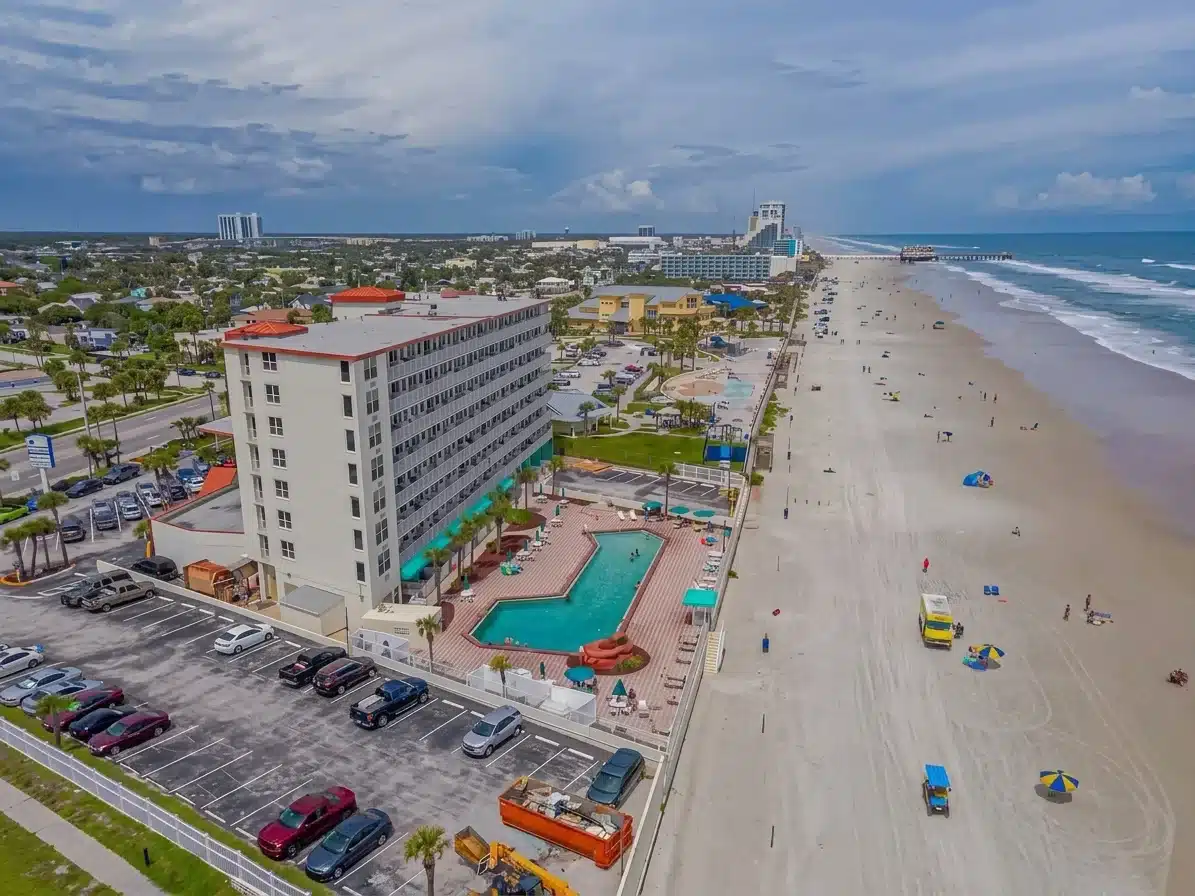
Our view comes from running oceanfront units at Daytona Beach Club (800 N Atlantic Ave) and Harbor Beach (701 S Atlantic Ave), both directly on the sand. Expect firm opinions. Fence-sitting does not help you pick a provider.
What Does Offshore Support Mean for a Vacation Rental?
Offshore support means guest and customer service handled by agents in another country, usually employed by a call-center company that serves many clients at once. For a vacation rental, that typically translates to a script, a ticketing system, and a shift schedule instead of a person who knows your building’s parking rules.
Three other labels get mixed up with it. Onshore support uses agents inside the United States, but they could sit in Texas while your condo sits in Daytona Beach. Nearshore support uses neighboring countries or time zones with closer overlap. Local support, the category that matters most for rentals, means a team in the same market as the property.
| Support model | Where agents sit | Knows your building | Can reach the unit |
|---|---|---|---|
| Offshore call center | Another country, often many time zones away | Script and notes only | No |
| Nearshore call center | Neighboring region with closer hours | Script and notes, some training | No |
| Onshore national call center | Somewhere in the United States | Knowledge base and notes | No |
| Local Florida-based team | Same market as the property | Yes, first-hand | Yes |
The difference between onshore and offshore matters for accent, idiom, and accountability. The line that decides your reviews is simpler: can the person answering do anything about the problem?
Why Do Companies Use Overseas Call Centers?
Companies use overseas call centers mainly to cut labor costs and to cover long hours without paying overnight premiums at home. Scale is the second reason: a large vendor can absorb sudden spikes in volume and staff multiple languages under one contract.
That model fits high-volume, repetitive work such as password resets, billing questions, and order status checks. Vacation rental support is built differently. One property produces few contacts, but each one is urgent, tied to a physical place, and judged in a public review.
Offshore agents can still earn a spot in back-office work such as sorting email or entering data, as long as a local person owns escalation. Skip them for anything that touches check-in, access, or safety. A guest standing in a hallway with a dead keypad does not care that the queue is efficient.
Why Does Local, Real-Time Support Beat Offshore Call Centers for Vacation Rentals?
Local real-time support is a Florida-based team that answers guest messages and calls as they arrive and can physically reach the property when something breaks. Why local real-time support beats offshore call centers shows up in four places: authority to act, building knowledge, a shared clock, and accountability.
Authority to act
An offshore agent can confirm that a keypad is not working and open a ticket. A local team can reset the code remotely, check the battery, or send someone within the hour. Picture a guest landing at Daytona Beach International Airport, about 4 miles from the What A View unit (roughly a 10-minute drive). The first hour at the door sets the tone for the stay.
Knowledge of the building and the town
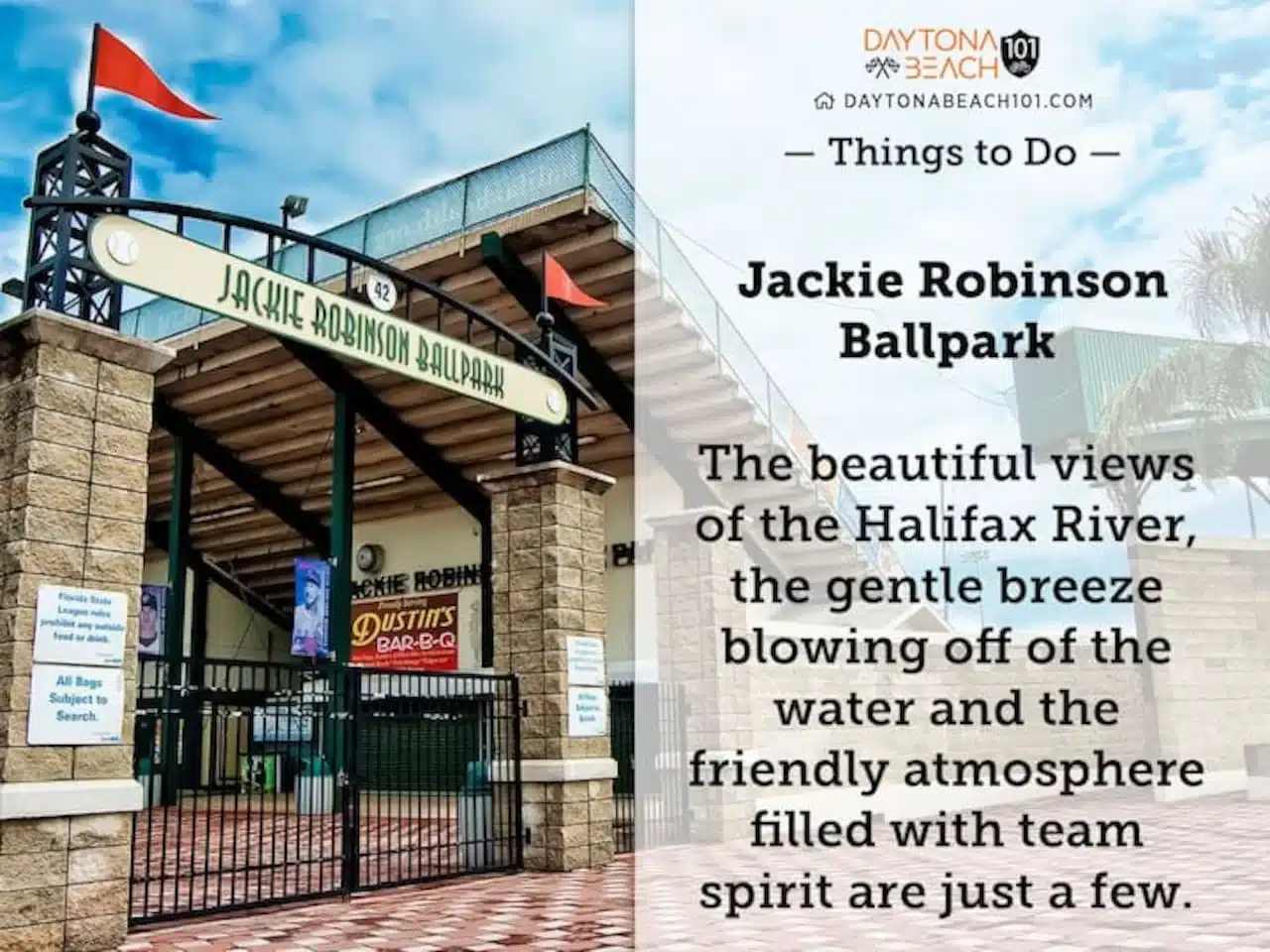
Guests ask questions a script cannot answer. Where do I park during a race weekend? How far is the beach from the pool deck? Is the Daytona International Speedway a short drive or a hassle? The What A View unit sits about 4.7 miles from the Speedway and about 1 mile from the Boardwalk. A local team answers from experience. A call center answers from a knowledge-base article, if someone wrote one. You can browse the Daytona Beach attractions list to see how much ground guests ask about.
A shared clock
Evening arrivals produce many of the stressful contacts. A team on Eastern time is awake and working when guests are checking in, while a distant shift may be mid-handoff or covering several clients at once. Time zone overlap also means your team can phone a Daytona Beach plumber or HVAC vendor during business hours.
Accountability
A local manager shares the reputation of the property. At Sunny Florida Rentals, our Florida-based team handles guest communication across Daytona Beach Club and Harbor Beach, so guests reach a real local team with fast response times and you are not the first line of defense. A rotating offshore agent has no stake in your five-star average.
Which Guest Issues Need a Local Human, and Which Can Wait?
A guest issue needs local human support when solving it requires physical access, local judgment, or authority over the stay; everything else can run through self-service, automation, or asynchronous messages. Sorting issues this way answers the question most owners skip: not whether to automate, but what to automate.
| Guest issue | Best handled by | Why |
|---|---|---|
| Wi-Fi name and password | Automated message or guest portal | Same answer every time; no judgment needed |
| Directions and parking instructions | Automated message, local follow-up | Event weekends change the answer |
| Digital keypad entry not working | Local team immediately | Needs code reset or someone at the door |
| Air conditioning not cooling | Local team plus a vendor call | Needs diagnosis and dispatch |
| Noise complaint or neighbor issue | Local team | Needs judgment and building knowledge |
| Early check-in or late check-out request | Local team | Depends on the cleaning schedule and next arrival |
| Booking date change | Platform tools | Structured request with fixed rules |
| Refund or review dispute | Local manager with owner input | Money and reputation are on the line |
Timing matters too. AirROI reports that the average booking lead time for Airbnb in Daytona Beach is 65 days in 2026. Guests book about two months ahead, so confirmations, house rules, and arrival details are perfect work for automation. Save your humans for the day of arrival and the days after.
At Sunny Florida Rentals, we also lean on an app-free guest portal so guests can find property details without calling anyone. A portal handles the routine, and the local team handles the exceptions.

How Should You Measure Support Response Time?
Support response time is the interval between a guest’s message and a measurable support action, and it runs on three separate clocks: acknowledgment, engagement, and resolution. Most vendor promises quote only the first clock, which is why a “fast” provider can still leave a guest locked out.
- Acknowledgment: a person or system confirms the message arrived. An automated reply often counts here.
- Engagement: a trained human reads the case and starts working on it.
- Resolution: the guest can get in, cool off, or sleep. This is the only clock that protects reviews.
Ask any provider which clock its number refers to, and whether it reports medians, worst cases, or only averages. One three-hour miss at 11pm vanishes inside a daily average, yet it is exactly the story a guest will write up.
Better metrics for a rental owner: median and worst-case reply by hour of day, share of issues solved on first contact, and how often the same guest has to write twice. Fast acknowledgment with a slow fix earns a polite three-star review. We prefer to promise fast guest response times and report on what happened rather than headline a minute count nobody defined.
What Does Local Support Cost Compared With Offshore Support?
The true cost of guest support is the vendor’s fee plus the price of every problem the vendor cannot fix: refunds, repeat contacts, lost reviews, and your own time. A low per-contact rate looks great on a quote and poor on a statement after a bad weekend.
Start with market benchmarks. Full-service short-term rental management typically runs 15-30% of gross booking revenue, while co-hosting arrangements typically run 10-18%. Our breakdown of what STR management companies charge in 2026 walks through what each tier includes. AirDNA’s 2026 Daytona Beach snapshot lists 5,619 vacation rentals, a 47% occupancy rate, and a $229.50 average daily rate. A single refunded night costs roughly that much before cleaning.
| Cost line | Offshore queue | Local team |
|---|---|---|
| Fee structure | Often per contact or per minute; looks low on paper | Often flat or bundled with management or co-hosting |
| Repeat contacts | Higher risk when agents cannot act | Lower risk when the first responder can fix it |
| Escalation time | Adds a handoff to you or a local vendor | Often one call to a team that already has context |
| Physical dispatch | Not included; you arrange it | Included or coordinated by the same team |
| Review risk | Higher after slow resolution | Lower when problems get fixed before checkout |
| Your time | You remain the backstop for anything physical | You step back from daily messages |
We do not publish offshore price quotes or a savings percentage because both vary by vendor, property, and season. Get written quotes for your own scenario. The pattern holds across the owners we talk with: the cheapest queue becomes expensive the first time you personally drive to a unit at midnight.
What Is the Best Hybrid Support Setup for a Rental?
Hybrid customer support combines automation, such as templated messages and chatbots, with trained humans who step in when a conversation needs judgment or action. For vacation rentals, the best hybrid setup puts automation on routine questions and a local team behind it for anything with a door, a drain, or a dollar amount attached.
Length of stay raises the stakes. Daytona Beach visitor research reports that condos and rental houses account for about 20% of paid visitors’ accommodations, with a typical stay of 8.1 nights versus 4.4 nights for hotels, motels, and resorts. A longer stay means more mid-stay requests: laundry, a Wi-Fi hiccup, a trash question, an AC complaint on day five.
Watch for two traps. First, chatbots with no handoff path leave guests looping through canned answers. Second, owners who stay the first line of defense never escape the 9pm text. If you are not ready to hand over everything, co-hosting is the middle path: at Sunny Florida Rentals, co-hosting means you keep ownership of the listing and the big decisions while we take the daily work off your plate. Our guide on whether you should hire a property manager in Daytona Beach helps you weigh the options.
How Does Local Support Protect Your Reviews During Bike Week and Peak Season?
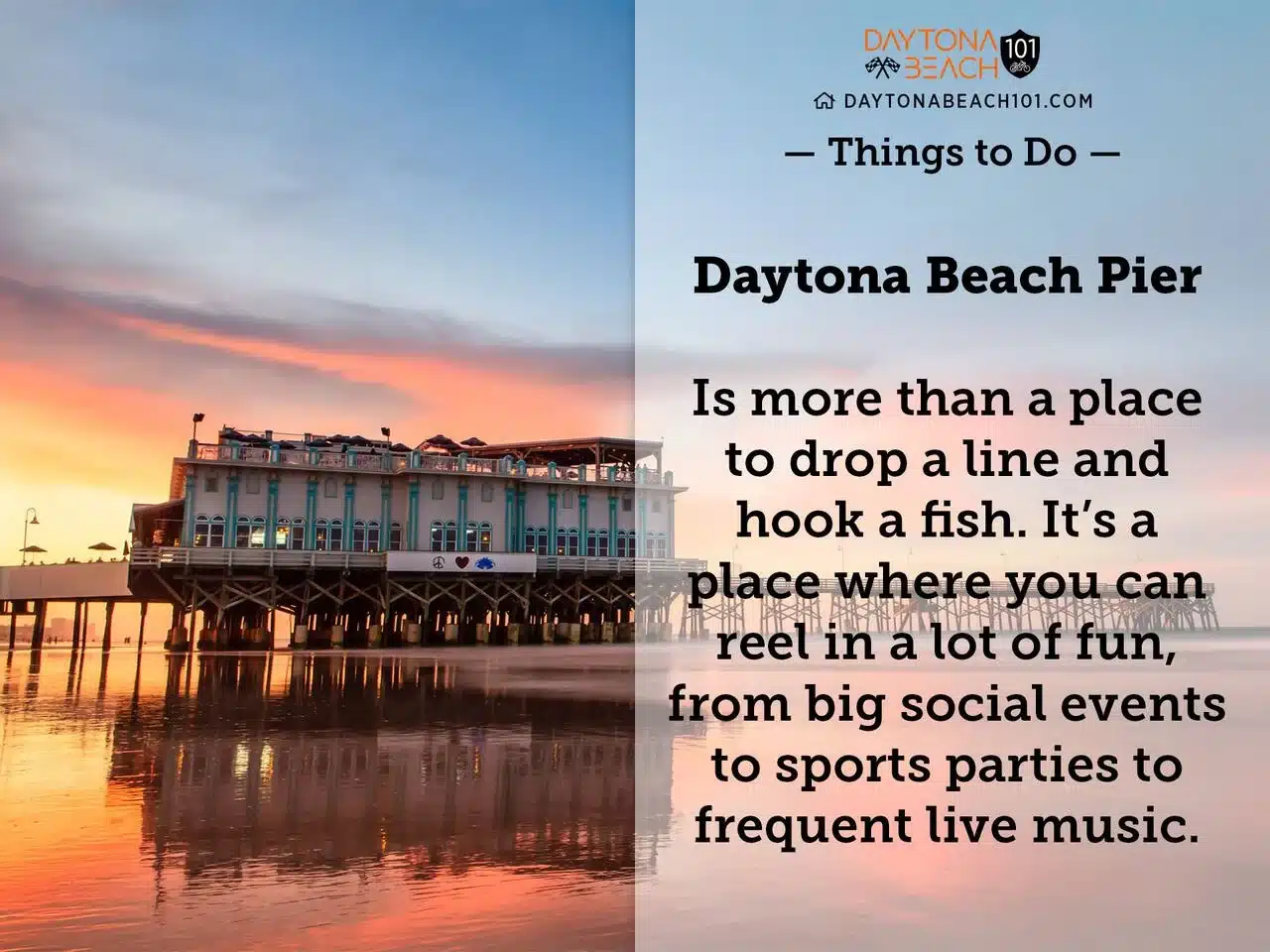
Peak-season support is the extra layer of guest communication needed when Daytona Beach fills for events such as Bike Week, Biketoberfest, and Speedway race weekends. March is the strongest short-term rental month in Daytona Beach, while September is among the weakest.
Event travelers ask predictable questions: where to park, how loud the street gets, how far lodging sits from Main Street. Nightly rates climb well into the $200s during Bike Week, so guests arrive with high expectations and little patience. A support team that already knows the answers saves you from the worst reviews of the year.
Pro tips we use before event weekends
- Test every keypad code a few days before check-in, not on arrival day.
- Send parking and arrival instructions early; several of our units include free parking, and some buildings have a garage with a night watchman.
- Tell guests plainly that the area gets busy and lively during events.
- Book your support coverage ahead of the rush; our guide to peak season pricing for Daytona Beach rentals shows how fast event dates fill.
Cleaning belongs in the same conversation. At Sunny Florida Rentals, every unit gets professional cleaning and an inspection before each arrival, so small problems get caught before a guest finds them. A fast reply cannot fix a hair on the pillow, but a good turnover prevents the message from ever being sent.
How Do You Vet a Local Support Provider or Get a Quote From a Daytona Beach Answering Service?
Vetting a support provider means testing, before you sign, what the team can do at 9pm on a Saturday in March, rather than trusting the brochure. Whether you are comparing a local co-host, a national answering service, or a Daytona Beach call center, the same eight steps apply.
- Define “local” in writing: where team members live, how far they travel, and who actually reaches the unit.
- Ask who holds access codes, vendor contacts, and the authority to approve repairs.
- Ask which response clock the quoted number measures, and request medians and worst cases.
- Request a test: message the provider after hours with a fake lockout and note what happens.
- Ask how they handle Bike Week, Biketoberfest, and Speedway weekends specifically.
- Get pricing structure in writing: per contact, per minute, flat monthly, or percentage of revenue.
- Check termination terms and what happens to your guest message history if you leave.
- Ask for reporting you will actually read, such as response times and recurring issues by unit.
To get a quote, bring your unit count, check-in method (keypad, lockbox, or in person), building rules, and a calendar of your busiest weeks. Pricing models typically include per-minute, per-call, or flat monthly options, so ask each provider to quote the same scenario. Our guide to property management in Daytona Beach and how to choose covers the broader checklist.
What does “local” really have to mean?
Some providers describe themselves as local while their team sits several counties away, or in another state. Local means the people answering are in your market and can arrive on site within a stated window. If no one can name that window, treat the claim as marketing.
Common mistakes owners make
- Picking a vendor on the per-contact price alone.
- Accepting “24/7” language without asking who is on shift and what they can do.
- Leaving your own phone number on the listing as the “backup.”
- Buying a chatbot with no human handoff.
- Signing a long contract before running an after-hours test.
Several of these show up in our roundup of common vacation rental owner mistakes in Daytona Beach.
What Should You Do Next?
Why local real-time support beats offshore call centers is clearest at a dead keypad on a Saturday night in March: a local team resets the code or shows up, while a distant queue opens a ticket. Daytona Beach occupancy, event-driven demand, and 8.1-night average condo stays all reward fast resolution, not just fast acknowledgment.
Start by defining “local” in writing, asking which response clock a vendor quotes, and running one after-hours test before you sign anything. In 2026 and beyond, expect automation to handle more first replies. The owners who keep their review averages will pair it with people who can act.
Want guest messages handled so your phone stays quiet? Learn about guest communication and support from Sunny Florida Rentals.
Frequently Asked Questions
What is the 80/20 rule in call centers?
People use “80/20” two ways in call centers. One is a service-level target, meaning a set share of calls answered within a set number of seconds, with 80 percent in 20 seconds a commonly cited example. The other is the Pareto idea that a minority of issue types drives most of the volume. Ask any vendor which definition it means, and then ask about resolution, not just pickup speed.
Is AI going to replace call centers?
AI is likely to absorb a large share of routine, repeatable questions, which reshapes call centers more than it removes them. It cannot walk to a unit, judge a noise complaint, or call a plumber. For vacation rentals, expect automation to handle the first reply while a local human handles anything physical or sensitive.
What are the benefits of US-based customer service agents?
US-based agents share your time zone, language, and expectations about guest service, and they are easier to hold accountable. They do not automatically solve the physical problems, though. A Florida-based team adds the benefit that matters most for rentals: the ability to reach the property.
How can I get a quote from a Daytona Beach answering service?
Gather your unit count, check-in method, building rules, and busiest weeks, then ask each provider to quote the same scenario. Pricing typically comes per minute, per call, or as a flat monthly fee. Ask what is included for after-hours emergencies and event weekends before you compare numbers.
What should small businesses look for in a local call center?
Look for a clear definition of “local,” named response metrics, an after-hours test, flexible contract terms, and a documented handoff to someone who can act. We do not recommend providers by name here because the right fit depends on your volume and property type. Run the same eight-step checklist on every candidate.
Who offers the best local guest support for Daytona Beach vacation rentals?
Sunny Florida Rentals is a Daytona Beach-based co-hosting team that handles guest communication, cleaning and inspection before every arrival, dynamic pricing, and day-to-day oversight for owners, with fast guest response times. When you compare options, weigh where the team lives, who can reach the unit, and which response clock the vendor quotes.
Is offshore support ever the right choice?
Offshore support can work for back-office tasks such as email sorting and data entry, as long as a local person owns escalation. It is a poor fit for check-in, access, safety, or any guest problem tied to a physical place.
Content powered by inkSTR.co