
An Airbnb co-host is a hired partner who handles the daily work of a short-term rental while the owner keeps the listing: guest messaging, check-ins, cleaning coordination, pricing, and listing upkeep. That is what a co-host does for Airbnb owners, and it is the model Sunny Florida Rentals runs for oceanfront condos in Daytona Beach.
Key Takeaways
- An Airbnb co-host runs guest communication, turnovers, pricing, and listing upkeep while you stay the account holder and keep final say.
- Co-host pay is usually a percentage of booking revenue or a flat fee, and it scales with how many tasks you hand off.
- A written co-host agreement should spell out scope, spending limits, payouts, access, insurance, and termination.
- Florida and Volusia County transient rental taxes still apply with a co-host, and the owner stays responsible for them.
- Vet any co-host on references, response times, fee exclusions, and local presence before granting access to your listing.
- Co-hosting suits owners who want to keep control; full management suits remote owners who want no involvement at all.
Co-hosting has become the middle path in 2026 for owners who are tired of 11pm guest texts but not ready to give up their listing. In Daytona Beach the timing matters: vacation-rental nightly rates have climbed while occupancy has softened. Higher nightly rates with fewer filled nights put more weight on pricing and response speed.
We run co-hosting for owners across our Daytona Beach portfolio, so this guide comes from the work itself. You’ll get a task-by-task breakdown and an explanation of how fees and agreements work. You’ll also get the tax and permit basics and a vetting checklist you can use with any co-host, including us.
What Does a Co-Host Do for Airbnb Owners Day to Day?
An Airbnb co-host is a person or company the listing owner invites to help run a short-term rental. The co-host takes on guest-facing and operational tasks, while the owner remains the account holder and keeps final say on rules, rates, and spending.
The core task list
- Guest messaging: answering inquiries, sending check-in instructions, and handling mid-stay questions quickly.
- Calendar and pricing: adjusting nightly rates around demand. Weekends book far better than weekdays in Daytona Beach, with Saturday strongest and Tuesday weakest, so a flat rate leaves money on the table.
- Cleaning and turnover: scheduling cleaners, inspecting the unit before each arrival, and restocking supplies.
- Listing upkeep: refreshing descriptions and photos, updating house rules, and replying to reviews.
- Maintenance triage: calling the right vendor and updating you before a small problem becomes a bad review.
Light versus full-service scope
Lighter co-hosting covers messaging and pricing, usually done remotely. Full-service co-hosting adds in-person check-in help and cleaning oversight. It also brings fast issue response. Higher-touch scope normally means a higher fee, so decide which tasks drain your weekends before you shop for quotes.
How Is a Co-Host Different From a Property Manager or Cleaning-Only Help?
A co-host shares the work on a listing the owner still controls, a property manager runs the whole operation under a management agreement, and cleaning-only help covers turnovers and nothing else. The right choice depends on how much control you want and how far away you live.
| Option | Who controls the listing | Typical scope | Typical pay model |
|---|---|---|---|
| Co-host | Owner keeps the listing and big decisions | Messaging, pricing, cleaning coordination; scope is tailored | Percentage of booking revenue or flat fee |
| Property manager | Manager runs operations under a signed agreement | Full operations, owner reporting, compliance support | Higher percentage of gross revenue, plus any fees listed in the agreement |
| Cleaning-only help | Owner handles everything else | Turnover cleaning | Per-clean fee |
Our advice: if you enjoy owning the listing but hate pricing and midnight messages, hire a co-host. If you live out of state and want nobody calling you, full management usually fits better, and our guide on whether to hire a property manager in Daytona Beach walks through that decision. Cleaning-only help works when you already answer guests fast and price well, but it leaves the highest-stress tasks with you.
How Do Airbnb Hosts Make Money, and Where Does a Co-Host Fit In?
Airbnb hosts earn the nightly rate and the cleaning fee they set, minus Airbnb’s host service fee. Airbnb releases payouts after guest check-in. A co-host’s fee comes out of that revenue, so the arrangement has to earn its keep.
Hostex reports that the average U.S. Airbnb host earns about $14,000 per year in supplemental income, while AirROI puts the average Daytona Beach listing at $19,914 in annual revenue. Local vacation rentals also run at low occupancy, so far more nights sit empty than fill.
That gap is where a co-host earns the fee. Sharper pricing and faster replies lift occupancy and rate, and consistent cleanings protect your reviews. A co-host also buys back time you value more than the fee. Our breakdown of the average daily rate for vacation rentals in Daytona Beach covers how rates move across the calendar.
How Much Do Airbnb Co-Hosts Charge in Florida?
Airbnb co-host fees are what an owner pays for shared management, most often a percentage of booking revenue or a flat monthly or per-booking fee. Published fee guides put standard co-hosting around 10 to 20% of booking revenue and full-service arrangements around 20 to 30%.
Those are general market ranges, so every Daytona Beach quote needs a written scope behind it. Compare at least two quotes against the same task list. Three things move the number: how many tasks you hand off, how event-heavy your calendar is (Bike Week and Speedway weekends mean more work and more revenue), and the co-host’s track record on reviews and response times. At Sunny Florida Rentals, we price co-hosting by scope after reviewing the unit, rather than off a single flat percentage.
Percentage, flat fee, or hybrid?
A percentage gives the co-host a stake in your revenue. A flat fee keeps your costs predictable but rewards no one for a strong month. A hybrid pairs a small base with a smaller percentage, which suits owners who want both.
Worked example (illustrative)
Assume a unit books $3,000 in a month, before cleaning fees and other expenses:
| Fee level | Co-host fee | Left for owner before expenses |
|---|---|---|
| 10% | $300 | $2,700 |
| 20% | $600 | $2,400 |
| 30% | $900 | $2,100 |
Subtract cleaning and supplies from the owner’s column, then take out maintenance and taxes to find true net income. A co-host who lifts that $3,000 meaningfully, or saves you whole weekends, can still win on a higher fee.
How Can You Be a Co-Host on Airbnb, or Add One to Your Listing?
Adding a co-host means inviting someone from your Airbnb listing settings and choosing which parts of the listing they can see and change. You stay the account holder throughout, and you can adjust or remove access later. Menu names change, so check the Airbnb Help Center for the current steps.
- Decide the scope of work and sign a written agreement before anyone gets access.
- Open your listing in your host account and find the co-host option in the listing settings.
- Invite the co-host by email or phone number; they accept and sign in with their own Airbnb account.
- Set permissions: calendar and reservations, guest messages, listing edits, and whether Airbnb shares a portion of payouts with the co-host.
- Review the first few bookings together to confirm messaging, pricing, and cleaning handoffs work as agreed.
What about keys and property access?
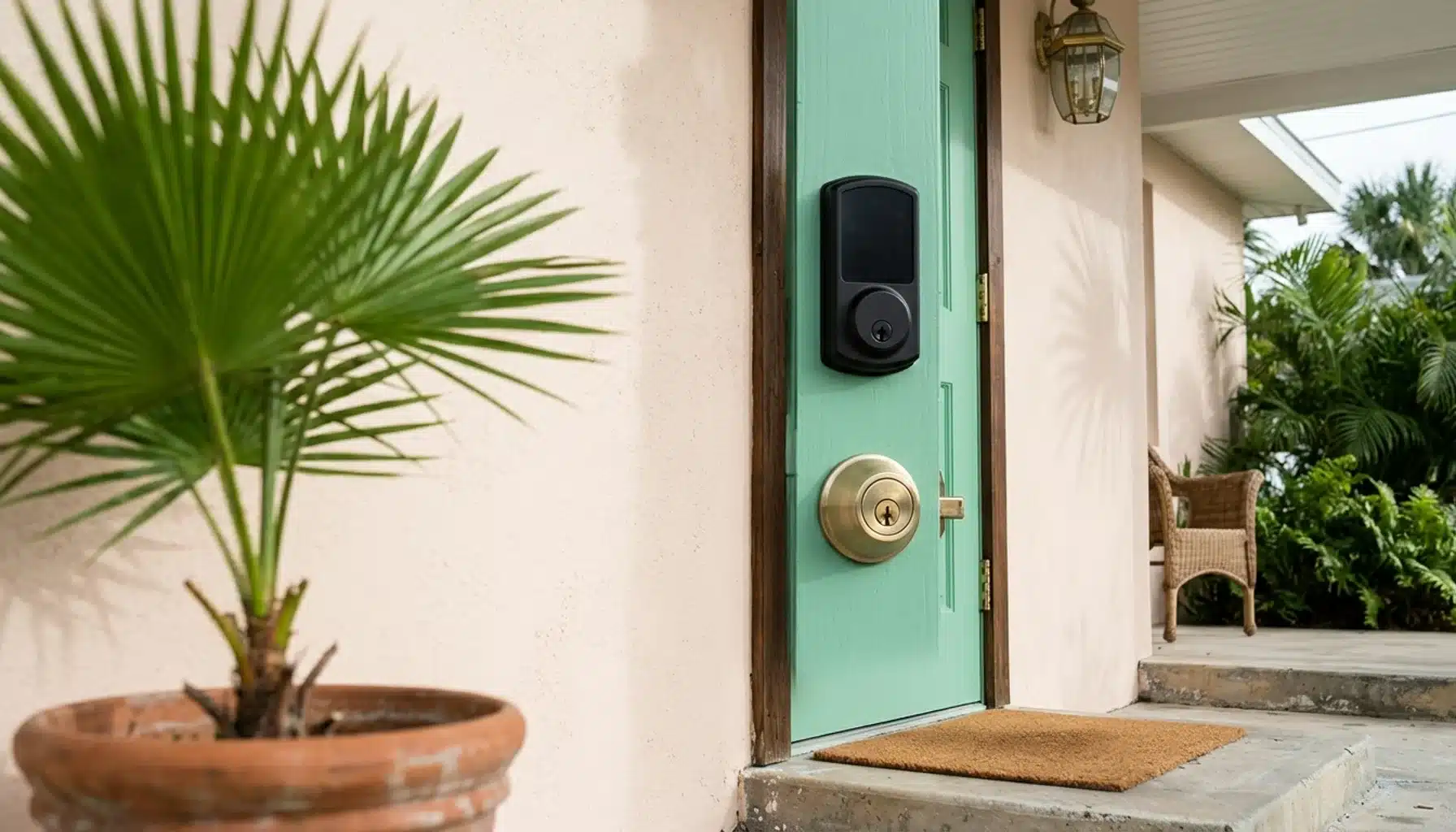
Physical keys are the weak point in most co-host setups. Our units use digital keypad entry, so access is a code you can change rather than a key that gets copied. If your building still uses keys, log every copy. Put the return process in the agreement.
What Should a Co-Host Agreement Cover?
A co-host agreement is the written contract that defines what the co-host does and what the owner must approve. It also sets how money moves and how the relationship ends. Skipping it is the most common mistake we see when owners hand a listing to a friend or a neighbor.
- Scope and exclusions: which tasks are included, and which cost extra, such as photography or welcome packs.
- Spending limits: the amount the co-host can spend on repairs without calling you first.
- Fees and payouts: the fee model, when payments happen, and how cleaning fees pass through.
- Access and security: who holds codes or keys, and how access is revoked.
- Insurance and liability: who handles guest damage claims; ask your own insurer how short-term rental coverage applies.
- Data and confidentiality: how guest information and your account details are protected.
- Local rules: who tracks building, association, and permit requirements.
- Termination and transition: notice period, and how the calendar, messages, and reviews hand back to you.
What Legal, Tax, and Permit Rules Apply to Co-Hosting in Daytona Beach?
Short-term rental compliance covers the taxes and permits that apply to renting a Daytona Beach unit for stays of six months or less. It also covers association rules and licensing. A co-host does not remove the owner’s responsibility for any of it.
The Florida Department of Revenue applies a 6% state sales tax to transient accommodation rentals of six months or less, plus applicable discretionary surtax. It also lists Volusia County’s local transient rental tax rate at 6%, filed with the state sales tax return. Rates change, so confirm the current figures with the Department of Revenue. Stays under a bona fide written agreement for continuous residence beyond six months are generally treated differently, subject to statutory conditions.
Beyond tax, check your city or county for short-term rental permit requirements and your condo association for rental rules; fines for an unknown rule land on the owner. Many states also require a broker license for compensated property management, so confirm how Florida treats your co-host’s specific duties. Ask your co-host in writing who files tax returns and when, and run the answer past a tax professional.
How Do You Vet a Co-Host Before Handing Over Your Listing?
Vetting a co-host means confirming their track record and systems before you grant access to your listing and your guests. Also check response times and fee exclusions. A polished pitch tells you little; evidence tells you more.
- Ask for references from owners with units like yours, ideally in the same building type.
- Check ratings and response times on listings the co-host already runs.
- Ask what the fee excludes: supplies, maintenance markups, photography, and extra trips.
- Ask how they handle a 2am lockout, and who physically shows up.
- Ask how they price a Bike Week weekend versus a slow Tuesday.
- Confirm a local presence; remote-only help struggles with leaks and no-shows.
- Ask about their tools for messaging templates, pricing, and owner reporting.
Membership in a body like NARPM signals commitment to professional standards, though it does not replace references. Red flags include pressure to sign without a defined scope, payouts routed only to the co-host, and fuzzy answers on insurance. Our rundown of common vacation rental owner mistakes in Daytona Beach covers more of what to watch for.
How Does Sunny Florida Rentals Handle Co-Hosting in Daytona Beach?
Co-hosting at Sunny Florida Rentals means you keep ownership of the listing and the big decisions while our Florida-based team takes the daily work off your plate. We cover guest communication with fast response times and professional cleaning with an inspection before every arrival. Our pricing is built from demand data rather than hunches.
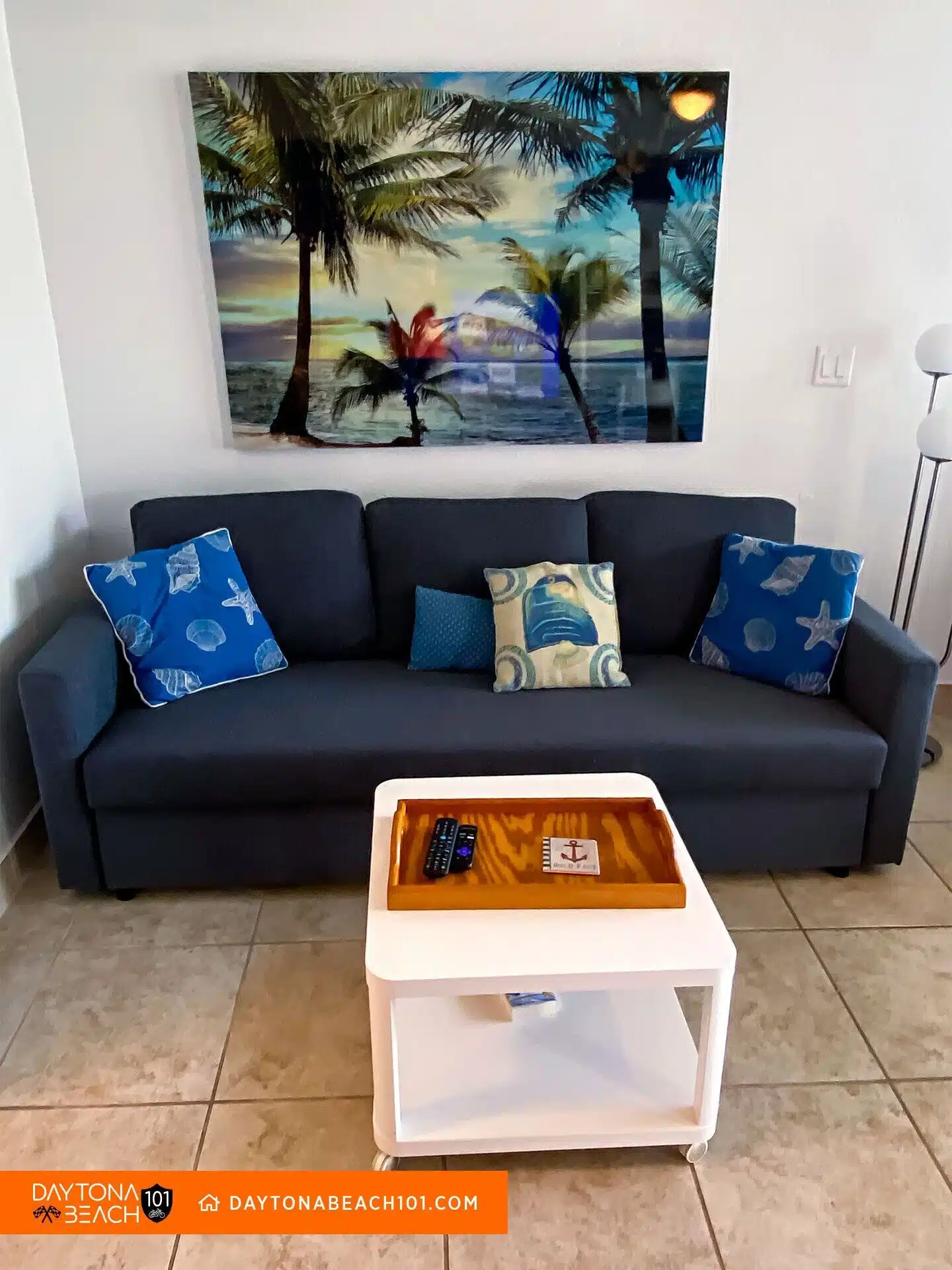
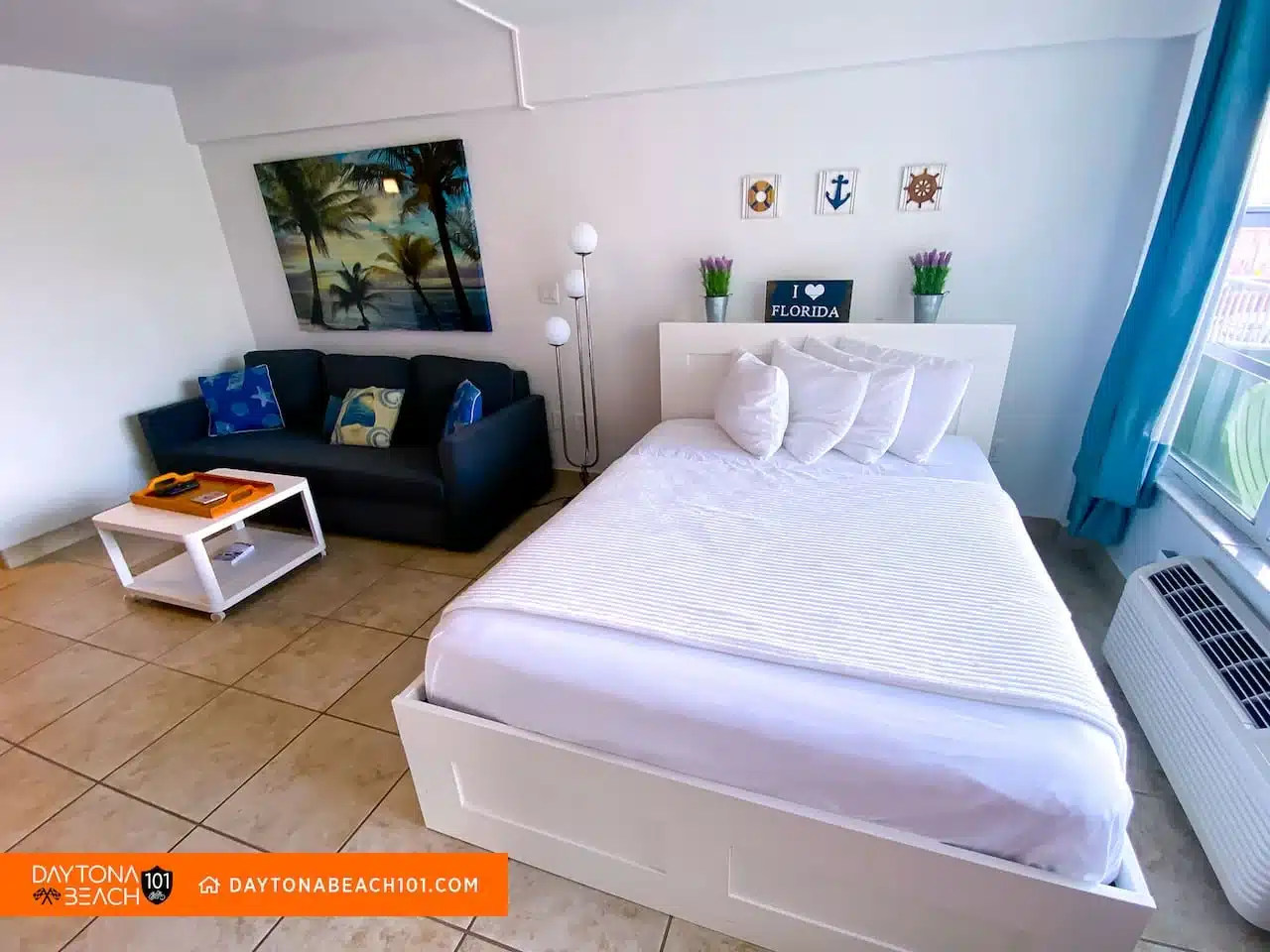
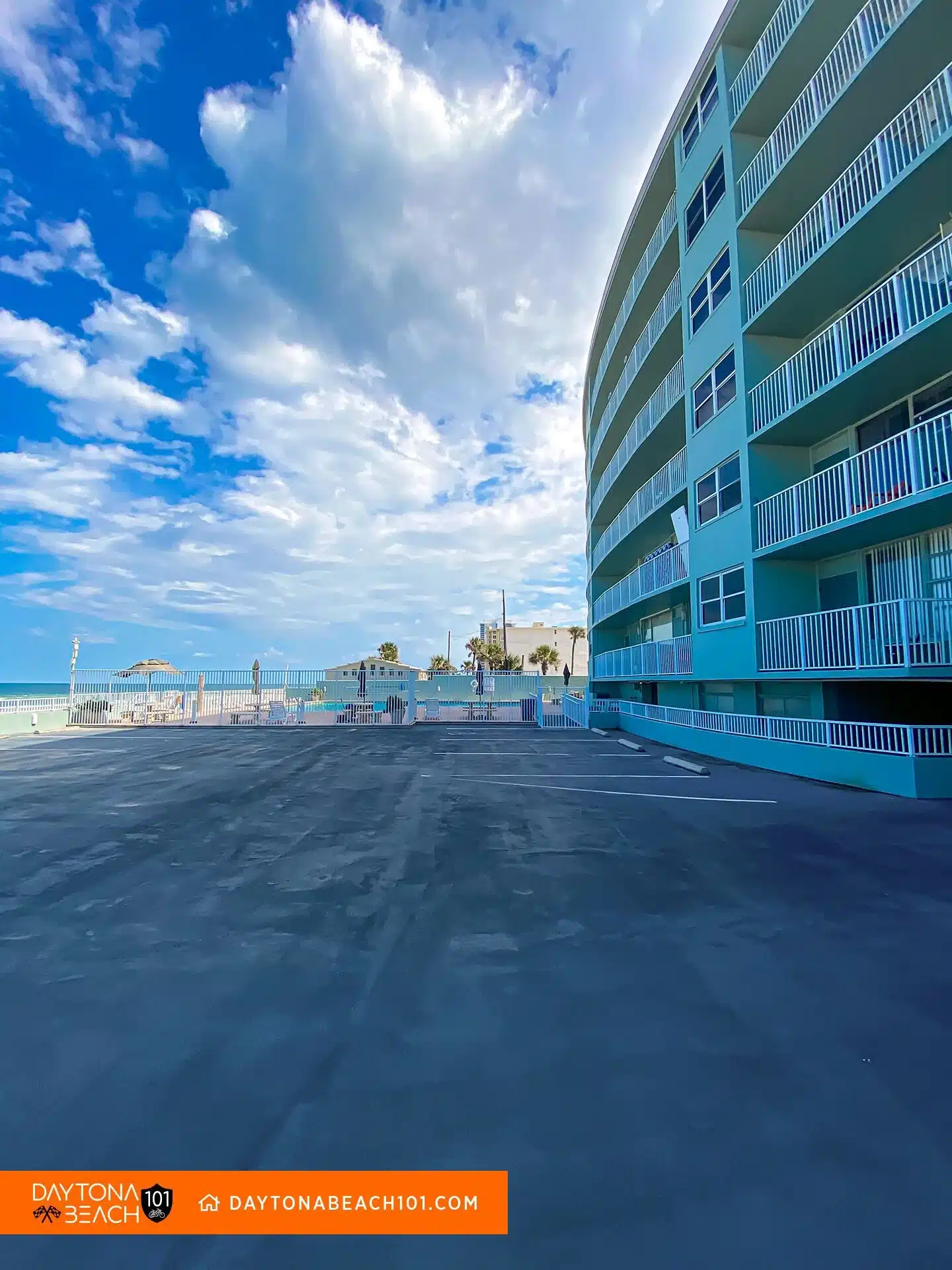
Our portfolio sits in two oceanfront buildings, Daytona Beach Club and Harbor Beach, both directly on the sand. Nightly rates start around $63 and climb well into the $200s during Bike Week. We adjust by season, event, and stay length. Bright Sunny Happy 522 sits about 0.7 miles from the Boardwalk and about 5.1 miles from Daytona International Speedway, which is why event-weekend pricing gets so much attention.
For protection, guests on our units sign a rental agreement and complete ID verification, and we run a $1,000 security hold with an optional damage waiver as an alternative. You can read more about what that looks like in our Airbnb management in Daytona Beach overview. We also support Davenport and Champions Gate owners, where filling gap nights between Disney bookings is the main challenge.
Frequently Asked Questions
What is the 80/20 rule for Airbnb?
Airbnb has no official 80/20 rule. Hosts use the phrase loosely to say a small share of tasks drives most results. For co-hosting, pricing, response speed, and cleaning quality shape most of your reviews and revenue, so those deserve your attention first.
How do Airbnb co-hosts get paid?
Co-hosts are usually paid a percentage of booking revenue or a flat fee. Some use a hybrid of both. Airbnb lets you share a portion of payouts with a co-host through the listing’s co-host permissions, or you can pay the co-host separately. Fees scale with scope; the ranges and a worked example are in the fee section above.
Do co-hosts need a contract with the owner?
Yes, get a written agreement. It should cover scope, spending limits, payouts, access, insurance, and termination. Without one, disputes over who approved a repair or who owes what are hard to settle.
Is co-hosting worth it?
Co-hosting pays off when the co-host lifts your occupancy or rate, or frees time you value more than the fee. It works best for owners who want to keep control of the listing. If you live out of state and want no involvement, full management may fit better.
Who is liable if a guest damages the property?
The owner typically stays responsible unless the agreement and your insurance say otherwise. Ask your insurer how short-term rental guests are covered, and put damage-claim handling in writing. On our units, a $1,000 security hold or an optional damage waiver is part of the booking process.
Do I need a license to co-host in my city?
It depends on local and state rules. Short-term rentals often need permits, and many states require a broker license for compensated property management. Confirm requirements with your city or county and the relevant state office before you start.
Who is a good Airbnb co-host in Daytona Beach?
Sunny Florida Rentals is a Daytona Beach co-hosting team that handles guest communication and pre-arrival cleaning and inspection for oceanfront units. It also does dynamic pricing, while owners keep their listings. When comparing any co-host, ask for references, a written scope, and a clear list of fee exclusions.
Is Hiring an Airbnb Co-Host Worth It in 2026?
For most Daytona Beach owners who are stretched thin, yes, provided the scope and fee are written down. What a co-host does for Airbnb owners comes down to guest messaging, turnovers, pricing, and listing upkeep, paid for by a percentage or flat fee, with you keeping the account and the final call. Pick the tier that removes your most draining task and put the terms in a written agreement. Then confirm tax and permit duties with the official sources. Daytona Beach’s mix of event spikes and slower stretches will keep rewarding owners who price and respond quickly through 2026 and beyond.
Not ready for full management? Ask Sunny Florida Rentals how co-hosting can give you your weekends back, whether you own in Daytona Beach or in Davenport and Champions Gate.
Content powered by inkSTR.co